| WEDNESDAY, DECEMBER 3, 2025 |
| Student Panel Discussion with Mat-Su Central Students |
|
The Mat-Su Central A4LE Student Panel offers a unique opportunity to hear directly from students about their experiences with homeschool and hybrid learning models and how the design of the new Mat-Su Central facility supports these approaches. This discussion will explore the factors influencing students’ choice of educational model, the design elements that reflect their needs, and how the new building fosters flexibility, comfort, and community. Students will share insights on spaces that excite them, features that enhance focus and family engagement, and suggestions for future improvements. Attendees will gain a deeper understanding of how thoughtful design impacts student success and engagement in non-traditional learning environments.
Learning Objectives:
- Identify key factors influencing students’ choice of homeschool and hybrid learning models and how these preferences inform facility design.
- Analyze design features that enhance student comfort, focus, and engagement in a flexible learning environment.
- Evaluate how the new Mat-Su Central facility supports family involvement and community building compared to traditional school models.
- Apply student feedback to inform future educational facility designs that accommodate diverse learning styles and foster inclusivity.
|
| THURSDAY, DECEMBER 4, 2025 |
| From Major Maintenance Backlog to Preventative Care: Evolving Facility Management in Rural Alaska
|
|
1 LU|HSW
In many Alaska school districts, the path to preventative maintenance is blocked by years—sometimes decades—of deferred repairs. The Kuspuk School District, serving remote communities along the middle Kuskokwim River, knows this challenge firsthand. With limited funding, seasonal access by river or air, and extreme weather conditions, critical projects—like roof replacements, boiler repairs, and structural upgrades—often take priority over routine care. This creates a cycle where preventative maintenance is delayed, systems deteriorate faster, and costs escalate. This session will explore how Kuspuk is working to break that cycle—strategically addressing major maintenance needs while building capacity for long-term preventative care. We’ll share real-world examples from recent projects, including navigating Alaska’s Capital Improvement Project (CIP) process, advocating for state funding, and managing construction in villages accessible only during short weather windows. Participants will learn strategies for: Prioritizing projects when critical needs outweigh available resources. Coordinating logistics for remote-site repairs and renovations. Laying the groundwork for preventative maintenance even amid backlogs. Using facility planning as a recruitment and retention tool for staff housing and workspaces. While the stories will draw from Kuspuk’s unique geography and circumstances, the lessons apply statewide—especially for districts balancing urgent facility needs with the goal of sustainable operations. Attendees will leave with practical ideas to improve maintenance planning, strengthen advocacy efforts, and ensure that Alaska’s school facilities provide safe, healthy, and stable environments for students and staff today, while protecting these assets for the future.
Learning Objectives:
- Analyze the underlying causes of major maintenance backlogs in rural Alaska school districts and explain how these backlogs affect long-term facility sustainability.
- Apply effective strategies for prioritizing facility projects when urgent repairs and preventative maintenance goals are in conflict.
- Evaluate logistical approaches for planning and delivering maintenance and construction projects in remote, hard-to-access communities.
- Design a practical framework for shifting from reactive repairs to a preventative maintenance model that ensures safe, healthy, and stable learning environments for students and staff.
Speakers:
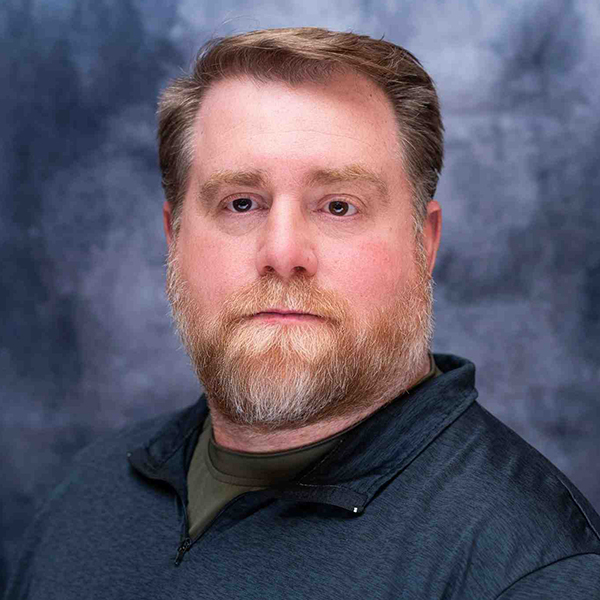 Branzon Anania, Director of Maintenance, Kuspuk School District
Branzon has over 25 years of experience in construction, facility management, and remote site operations across Alaska and the United States. He has served as Kuspuk School District’s Director of Maintenance for the past two years, overseeing facilities, housing, and major projects in remote communities, and previously held the same role with Southeast Island School District for four years. His background includes school construction, marine construction, and communications infrastructure, with expertise in project management, safety compliance, and team leadership in challenging environments.
 Madeline Aguillard, Superintendent, Kuspuk School District
Dr. Madeline Aguillard is an experienced educational leader and current Superintendent of the Kuspuk School District in Western Alaska. Throughout her career, she has championed equitable opportunities for students while guiding districtwide initiatives in instruction, federal programs, and facilities. She is a strong advocate for rural school infrastructure, working with policymakers to address Alaska’s major maintenance backlog and strengthen the Capital Improvement Project process. Her leadership emphasizes safe, sustainable schools that support student learning and staff stability.
|
| DEED State of the State |
|
Virtual Presentation
This presentation provides an overview of current activities and priorities within the Alaska Department of Education & Early Development’s Facilities section. It highlights the Facilities team, summarizes key updates on the FY2026 and FY2027 Capital Improvement Project cycles, and reviews statewide trends in preventive maintenance and school facility stewardship. The goal is to offer stakeholders a clear understanding of where we are today and where Alaska’s school facilities program is heading.
Speaker:
Michael D Butikofer, PE, FSS | Facilities Manager, Department of Education and Early Development
|
| Why Don’t We Design Net Zero Schools in Alaska? |
|
1 LU|HSW
Alaska features some of the most challenging climates and logistics in the world for building, operating and maintaining educational facilities. Remote locations with extreme cold weather drive high energy costs for school districts operating traditional buildings. What if these facilities could instead produce as much energy as they use? What would it mean for remote Alaska communities to be energy independent? Is Net-Zero impossible in northern Alaska? If not, why don’t we design our schools this way? This session explores these questions in an effort to kick-start creative thinking and conversation about a more sustainable future for Alaskan learning environments.
Learning Objectives:
- Understand the cost drivers of constructing net zero energy school facilities in northern Alaska and potential strategies to reduce upfront expenses through design, financing, and procurement innovations.
- Learn about the availability and performance of renewable energy resources in Arctic climates and how hybrid systems can meet year-round net zero energy demands.
- Consider the role of political will, community engagement, and stakeholder priorities in advancing net zero school projects, and potential approaches to building local support.
- Learn about the technical expertise, workforce skills, and technologies required for Arctic net zero construction, and how partnerships can close knowledge and capability gaps.
Speakers:
 Garrett Burtner, AIA, Architect, MCG Explore Design
Garrett is an Anchorage based architect. Garrett studied architecture and art in college earning a BS in Studio Art from Drury University and a Masters of Architecture from University of Oregon. He joined Anchorage firm MCG Explore Design in 2005 where he is now a principal architect. Garrett’s architectural work leans into the unique regionalism of Alaska and spans many building typologies from learning places to utility infrastructure, cultural gathering, and national defense.
 Jason Zullo, LEED AP BD+C, Sustainability Director, MCG Explore Design
Throughout his career, Jason has successfully facilitated the certification of over a hundred green building projects, ranging from new construction, commercial interiors, and existing buildings to LEED prototype volume certification projects. As Sustainability Director of MCG, he analyzes proposed building designs with respect to energy, ventilation, water use, daylighting to make recommendations to improve future performance and evaluate the potential for compliance in varied green building rating systems.
|
| BRGR’s Subcommittees and Role in Educational Design |
|
In 1993, the Legislature enacted AS 14.11.014, which established the nine member Bond Reimbursement and Grant Review (BR&GR) Committee. The purpose of the committee is to:
- review the department's CIP priorities;
- make recommendations concerning grants and bond reimbursement project requests;
- develop criteria for cost-effective school construction;
- analyze existing prototypical school designs;
- establish a grant application form;
- establish a method of ranking grant projects;
- recommend to the board necessary changes to the approval process for school construction grants and for projects for which bond reimbursement is requested;
- set standards for school energy efficiency that minimize long-term energy and operating costs.
The presentation will share how this has been implemented in the past and what the board and subcommittees have been working on.
Learning Objectives:
- Understand the purpose of the BRGR and its impact on the Educational Environment in Alaska.
- Summarize the active BRGR subcommittees and the impacts on the design and construction of educational facilities.
- Identify at least five areas of impact the BRGR has on Department of Education and Early Development activities and functions.
- Describe the process of BRGR activities in setting or changing statues that impact EED requirements and standards.
Speaker:
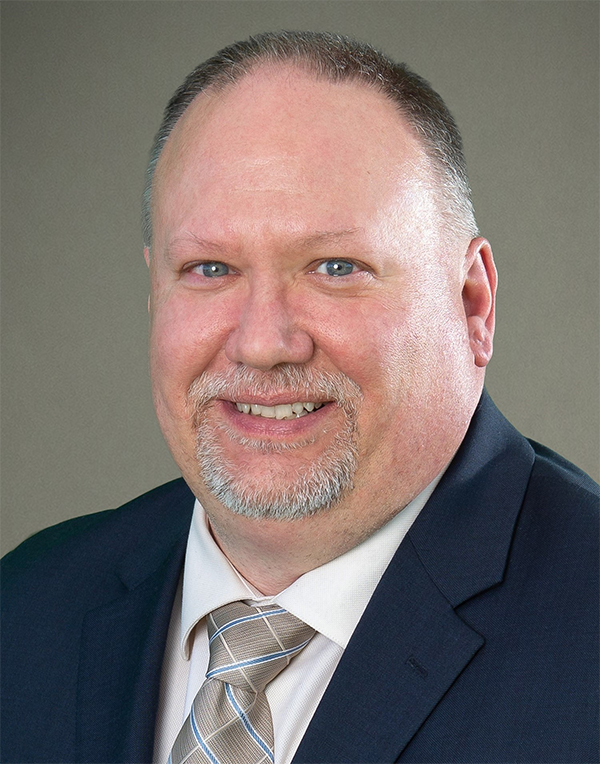 Kevin Lyon, Planning & Operations Director, Kenai Peninsula Borough School District
Kevin has over 34 years of experience in project management, serving as an Owner’s Representative. For more than 24 of those years, he has worked in the government sector with the Kenai Peninsula Borough, the City of Kenai, and the Kenai Peninsula Borough School District. Throughout his career, Kevin has overseen numerous borough capital projects, including the procurement of professional services for hospitals, schools, community buildings, 911 dispatch centers, and fire stations. He currently serves as the Planning and Operations Director for the Kenai Peninsula Borough School District, where he manages the district’s instructional support operations. His responsibilities include facility planning, maintenance, operations, purchasing, custodial services, transportation, food services, warehouse management, pools, and community theaters. Kevin is also serving his second term on the Bond Reimbursement and Grant Review Committee.
|
| Transformation Grant Presentation |
|
Winterberry Charter School is the grateful recipient of the A4LE Transformation Grant. We will be presenting on the stage we built for school performances and imaginary play. Some of the 8th grade designer/builders will be joining us to talk about their design process and construction experience.
Speakers:
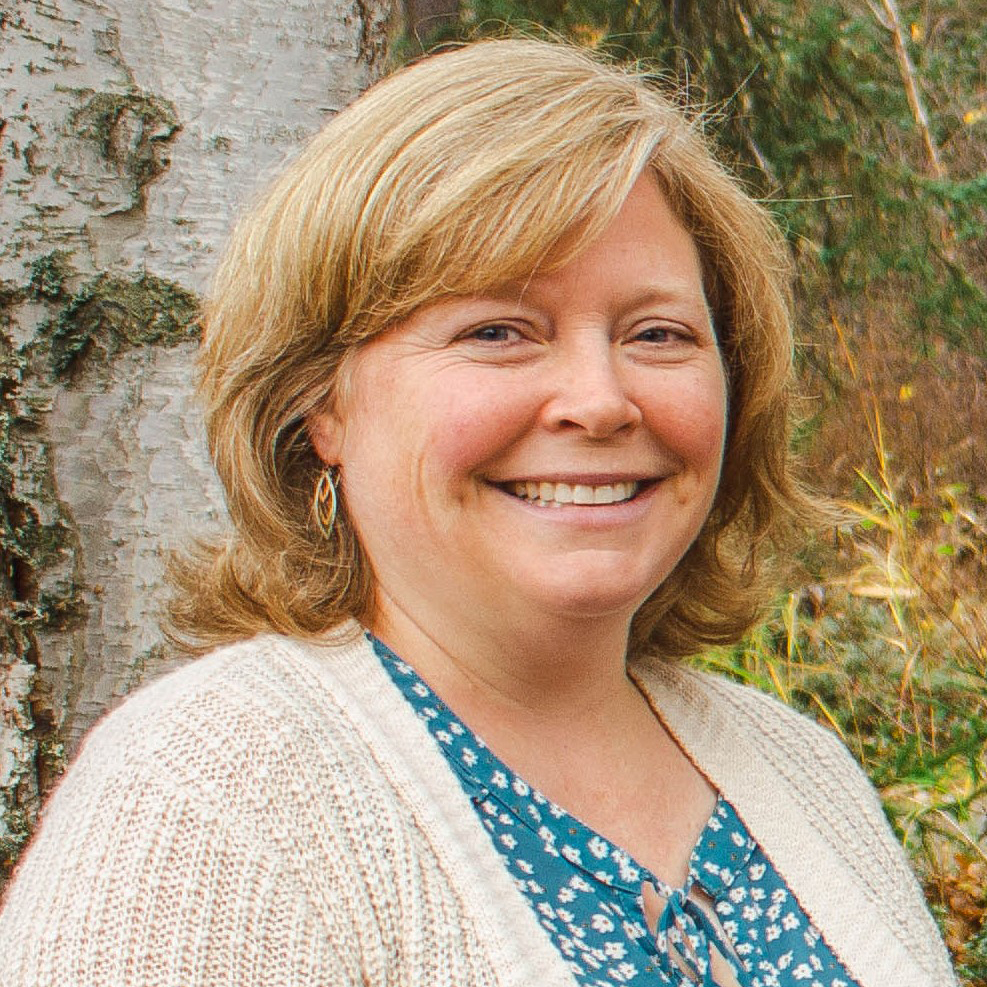 Stephanie Cloud, Landscape Architect, Bettisworth North
Stephanie is a landscape architect with Bettisworth North and a parent of two students at Winterberry Charter School. She holds a bachelor’s degree in psychology from the University of Michigan and a Master of landscape architecture from the University of British Columbia. Combining her professional expertise with her passion for community, Stephanie helped guide Winterberry’s outdoor transformation project. She’s joined today by 8th grade teacher Tomas Jensen and several of the project’s design/builders to share their collaborative journey.
Tomas Jensen, Teacher, Winterberry Charter School
Tomas is currently the 8th grade teacher at Winterberry. He is working with his students on the stage screen design and construction, which will be the 8th grade class gift to the school. He and his class also worked on the planting design and installation of a rain garden at Winterberry.
|
| FRIDAY, DECEMBER 5, 2025 |
| Mechanical Requirements of ASHRAE 90.1 for DEED School Designs |
|
1 LU|HSW
The Alaska Department of Education & Early Development (DEED) requires that state-funded school construction projects comply with the design and energy provisions of ASHRAE Standard 90.1 – Energy Standard for Buildings Except Low-Rise Residential Buildings. This presentation will review the statutory basis for this requirement, provide a brief overview of the history, purpose, and application of the standard, discuss use of the standard and associated tools for DEED-funded school designs, and highlight specific mechanical design criteria that are impacted when the standard is used for facility design.
Learning Objectives:
- Understand the statutory foundation for applying ASHRAE Standard 90.1 to state-funded school construction projects in Alaska and know where these provisions are found within the Alaska Statutes.
- Learn about the history, purpose, and application of ASHRAE Standard 90.1 in commercial building design and construction.
- Understand how to use ASHRAE Standard 90.1 and related DEED tools in the design of state-funded school facilities.
- Recognize the ways in which the use of ASHRAE Standard 90.1 influences mechanical system designs.
Speaker:
 Adam Wilson, P.E., LEED AP, CEA, Vice President, Principal Mechanical Engineer, RSA Engineering, Inc.
Adam is a Principal and Vice President at RSA Engineering with over 20 years of mechanical design work in Alaska, specializing in cold-climate and sustainable solutions. He has extensive school design experience, including new facilities in Kivalina and Kaktovik, and renovations state wide. In 2020, he helped develop the Alaska School Design and Construction Standards. As a LEED AP and Certified Energy Auditor, he delivers energy-efficient solutions throughout Alaska and the Pacific Northwest. Adam is on the board of the Alaska Chapter of the Association for Learning Environments.
|
| Electrical Design Updates in Educational Environments |
|
1 LU|HSW
This session will focus on electrical engineering topics with respect to educational environments. Following up on last year’s ASHRAE 90.1 presentation, there will be an update on efforts to modify State of Alaska requirements in schools. An overview of electronic access control and electrified door hardware requirements will assist designers and Owners who are working with these systems. A brief summary of common electrical and fire alarm code requirements that often affect schools will be included. Finally a discussion on distributed antenna systems is included to inform decision making on whether these systems are required.
Learning Objectives:
- Gain knowledge on the State of Alaska requirements for schools and the status of updates from DEED and DEC.
- Identify common electrified door hardware types and how they interact with electronic access control and fire alarm systems.
- Learn about electrical and fire alarm code requirements that may affect school design and operation.
- Have awareness of distributed antenna systems and their potential need in a building.
Speaker:
 Jeremy Maxie, Principal Electrical Engineer, RSA Engineering, Inc.
Jeremy is a UAA graduate and principal electrical engineer at RSA Engineering, with 15 years of experience. Among other areas of practice, Jeremy has worked on school projects across the state including extensive renovations, new construction, security programming and design, and special systems design, as well as assisting organizations in developing design standards. Jeremy sits on the Alaska A4LE board and the Illuminating Engineering Society (IES) board, teaches the electrical portion of the Northern Design class at UAA, and was a member of the most recent MOA code committee for the IECC.
|
| Alternative Educational Models Panel Discussion |
|
This panel explores innovative educational models that challenge conventional approaches to teaching, learning, and child development. Highlighting Waldorf, Montessori, Language Immersion, and Scandinavian education, the discussion examines how each model cultivates curiosity, autonomy, cultural awareness, and a lifelong love of learning—qualities increasingly essential in a rapidly changing world. Waldorf education emphasizes imagination, hands-on creativity, and holistic development, integrating the arts, movement, and nature to support intellectual, emotional, and social growth. Montessori environments foster independence and intrinsic motivation through self-directed learning and carefully prepared materials that honor each child’s developmental pace. Language Immersion programs open doors to bilingualism and global citizenship, using second-language environments not only to build linguistic fluency but also to deepen cultural competence and cognitive flexibility. Scandinavian education, recognized for its emphasis on equity, outdoor learning, play-based pedagogy, and student well-being, offers a compelling example of how trust-driven systems can produce both high academic performance and strong social outcomes. Together, these models represent a spectrum of learner-centered practices that prioritize the whole child, encourage meaningful engagement, and redefine what success in education can look like. The panel will explore intersections among these approaches, discuss implementation opportunities and challenges, and consider how integrating their key principles can enrich contemporary schooling and inspire more human-centered, joyful, and resilient learning communities.
Learning Objectives:
- Compare Core Philosophies
Describe and differentiate the foundational principles of Waldorf, Montessori, Language Immersion, and Scandinavian education, including how each model approaches child development, curriculum design, and teacher roles.
- Identify Evidence-Based Benefits
Articulate key academic, social-emotional, and cultural outcomes associated with these alternative educational models, supported by research and real-world examples.
- Analyze Implementation Strategies
Examine practical considerations—such as staffing, training, facilities, governance, and community engagement—required to adopt or adapt these models in diverse educational settings.
- Apply Learner-Centered Principles
Identify actionable strategies for integrating elements from the four models into existing schools or programs to promote curiosity, autonomy, cultural competence, and whole-child learning.
Speaker:
 Paul Baril, AIA, NCARB, A4LE, Principal Architect, Nvision Architecture, Inc.
Paul is proud to have grown up in Alaska and to be a member of the local community. He has worked with Nvision Architecture for over 25 years, starting as an intern and now as the owner and president. Since his days attending school in the Anchorage School District, Paul has graduated with two architectural degrees and has become a professional licensed architect. He is extremely attentive to his clients needs and he strives to include all parties in the process. He is a level-headed and informed decision maker that is totally committed to the success of the firm’s projects, and for this reason he is a hands-on project leader, designer, and administrator. In addition to Paul’s demonstratable experience in the architectural industry, he also has a strong desire to help build a better community to live, work and play. Paul is passionate about being a community leader and applying Architecture to the built environment. As an architect Paul has always loved the notion that people get to experience the buildings he designs, so it only makes sense that they function correctly for the users and the community.
|