| TUESDAY, JUNE 9, 2026 | 10:15 – 11:15 AM |
| More with Less: Reimagining a Community Anchor |
|
Regency A
When a School District and community set out to modernize West View Elementary, they chose vision over demolition. Rather than replace a 100-year-old community landmark, the District embraced a thoughtful, value-driven approach while honoring history and shaping a vibrant future for learners. Built in 1925 and overlooking the local historic amusement park, the school has long been a source of community pride. This project revitalized the historic structure from within, blending modern educational spaces with storytelling elements that celebrate the community’s heritage. Murals and immersive graphics connect students to their community, inspiring curiosity and belonging every day. Through close collaboration between the District, architect, construction manager (GESA delivery), and contractors, new learning spaces were seamlessly integrated into the existing three-story building throughout. A central atrium stair strengthens visibility and connection across floors, while targeted renovations modernize STEAM and performing art spaces, alongside essential infrastructure upgrades. By reimagining rather than rebuilding, West View Elementary demonstrates how thoughtful design can preserve legacy, maximize resources, and create transformative learning environments honoring the past and empowering the next generation.
Learning Objectives:
- Integrating new learning spaces into a 100-year-old building.
- Understanding the importance of vertical connectivity in academic environments.
- Combining multiple construction methodologies to deliver a high-quality project.
- Visualizing local history through immersive, impactful graphics.
Design of Educational Facilities: Acts as a resource to the design team in providing ongoing guidance and support to ensure that the emerging and ultimate design aligns with the established community vision, education goals, future programming, written design standards, best/next practices and education policy.
 David Schrader, FAIA, A4LE Fellow, LEED AP, Principal, SCHRADERGROUP Studio
For over 35 years, David has focused on designing next generation educational facilities. He leads the design team in developing solutions that benefit the community for generations. His ability to create a shared vision with clients has fostered success for the client, the design team, and the community at large. “Partnership in design is key to creating a better designed learning environment.”
 Thomas Wippenbeck, AIA, Principal, SCHRADERGROUP Studio
With over 26 years of experience, Thomas specializes in educational design and next generation learning environments. He has helped schools translate educational goals into thoughtful, future-ready spaces in Western Pennsylvania.
 Jesse Simpson, Principal, West View Elementary School, North Hills School District
Jesse has served as Principal of West View Elementary School since August 2011. Prior to joining North Hills, he held roles as principal, assistant principal, and sixth-grade teacher in California’s Morongo Unified School District. Additionally, with experience overseeing school design and construction projects, Jesse brings a unique perspective that bridges educational leadership and the built environment, guided by a strong appreciation for thoughtful, student-centered design.
|
| Pushing the Limits: Applying National Educational Design Trends through a New York State Lens |
|
Regency B
Across the country, K–12 design is increasingly driven by shared educational goals: flexibility to support new and emerging programs, increased opportunities for collaboration and hands-on learning, and environments that foster innovation, equity, and student engagement. From flexible classrooms and shared learning commons to integrated maker spaces and technology-enhanced breakout rooms, learning environments are being leveraged as active tools to support long-term educational goals. At the national level, significant capital investments and flexible regulatory environments allow design professionals and school administrators to push the boundaries of educational design, resulting in truly unique and future-driven spaces that cultivate flexibility, collaboration, and hands-on learning. In contrast, projects in New York State are shaped and managed by a unique combination of factors, including limited capital budgets, reliance on building aid and state funding mechanisms, the need for community consensus and voter approval, and a comprehensive review and approval process through the New York State Education Department (NYSED). While these standards serve a critical role to prioritize student health and safety, they also influence how educational design trends can be implemented in practice. This session explores how these widely shared programming principles are being realized in school facilities at the national level, illustrating how design professionals are able to use open space, adjacency, and flexibility to maximize the educational experience. It then contrasts those approaches with the realities of designing K–12 schools in New York State, where projects must navigate NYSED procedures, approval requirements, and limited financial resources that shape what is feasible in practice. Through a candid comparison of national design trends and New York–specific constraints, this session will highlight where alignment already exists, where gaps remain, and how design teams can creatively work within regulatory frameworks to advance educational goals. Importantly, the discussion will feature a representative from NYSED, offering direct insight into the Office of Facilities Planning review process and how state officials collaborate with school districts and design professionals to maximize flexibility, innovation, and future-driven design through thoughtful, intentional design. Attendees will leave with a clearer understanding of how bold ideas, informed planning, and collaborative problem-solving can help reimagine what’s possible in New York schools, proving that even within constraints, thoughtful design can make a big impact.
Learning Objectives:
- Identify common educational programming goals such as flexibility, collaboration, and hands-on learning that are shared across K–12 institutions nationally and in New York State.
- Describe how national design trends and capital investment strategies leverage physical space to support modern educational goals.
- Compare national educational design approaches with the fiscal and regulatory realities that shape K–12 school design in New York State, including NYSED standards and funding structures.
- Apply strategies for maximizing design impact within New York State projects by aligning educational goals, funding constraints, and NYSED processes through early collaboration and thoughtful planning.
Design of Educational Facilities: Acts as a resource to the design team in providing ongoing guidance and support to ensure that the emerging and ultimate design aligns with the established community vision, education goals, future programming, written design standards, best/next practices and education policy.
 Melissa Renkawitz, ALEP, Managing Principal & Educational Planner, CSArch
A Managing Principal of the firm, Melissa has been with CSArch since 2003 and has focused her expertise on space planning and programming for educational projects. In 2023, she earned her certification as an Accredited Learning Environment Planner and works closely with key stakeholders such as district administrators, students, teachers, and community members to uncover educational goals, values, and needs and develop the program for educational improvements.
 Ashley Sheehan, ALEP, CID, IIDA, Principal & Director of Interior Design, CSArch
Ashley leads CSArch’s in-house interior design department and brings a creative yet practical approach to her projects. In 2025, she earned her certification as an Accredited Learning Environment Planner, expanding her expertise to help educators realize their long-term programming goals. She supports clients during the planning and programming phase of a project while providing purposeful input on the selection of colors, finishes, materials, and furniture that turn the vision into functional and flexible learning environments.
 Alexandra Garrity, AIA, Senior Associate & Architect, CSArch
An architect with CSArch since 2018, Alex has played a pivotal role on many of CSArch’s key K-12 projects, including the $179.9 million expansion and redesign of Albany High School, the firm’s largest project to date. Having graduated with a Master of Architecture from the University at Buffalo's Center for Inclusive Design, she has focused her architectural expertise on her passion in Universal Design to create inspiring spaces that are supportive of all users.
|
| Hacking the Classroom: Advancing Critical Thinking & Higher Order Skills with Cost Effective Spatial Design and Socratic AI |
|
Regency C
This session challenges the assumption that higher order learning requires high tech or high cost learning lab environments to activate. Instead, we introduce a Resourceful Thinking model that aligns pedagogy, space, and lightweight AI to strengthen learners’ capacity to analyze, evaluate, and synthesize information. Participants will engage in a live stress test of a “Socratic Learning Bot”, an AI driven tutor designed to guide students through claim formation, evidence evaluation, counterargument generation, and synthesis. This hands on work-shop empowers participants to experience how AI can reinforce Bloom’s higher cognitive processes and Webb’s Depth of Knowledge without producing answers; helping students learn how to think deeply. The session also applies core design principles to demonstrating how small, cost effective spatial shifts, lighting temperature, acoustic cues, posture and orientation, visibility, and writable surfaces, create optimal conditions for exploration, collaboration, and deeper reasoning.
Learning Objectives:
- Apply evidence based design principles to optimize existing classrooms for higher order thinking using low cost interventions (lighting, acoustics, posture/orientation, visibility, writable surfaces).
- Create and implement a Socratic AI workflow that prompts claims, evidence checks, counterarguments, and synthesis aligned to Bloom’s Taxonomy and Webb’s Depth of Knowledge.
- Interpret data and behavioral insights showing how spatial cues paired with structured questioning improve reasoning, transfer, and cognitive engagement.
- Use the provided “Critical Thinking by Design Toolkit” including a Socratic AI framework, spatial design checklist, and “Try Tomorrow” actions—to immediately pilot improvements in their own learning environments.
Educational Visioning: Exhibits an understanding of best and next practices related to educational leadership, programming, teaching, learning, planning and facility design. Establishes credibility with educators, community members and design professionals while conceiving and leading a community-based visioning process. Demonstrates the ability to articulate the impact of learning environments on teaching and learning and uses that ability to facilitate a dialogue that uncovers the unique needs and long-range goals of an educational institution and its stakeholders – translating that into an actionable written/graphic program of requirements for the design practitioner.
 Gerald Brown, M.Ed., Professor Educational Foundations / Senior Learning Consultant, Grand Valley State University / Steelcase
Gerald prepares future educators at Grand Valley State University’s College of Education, Innovation, and Technology and is a 2022 Pew Teaching Excellence Award recipient. Also serving as a Senior Learning Consultant at Steelcase, Jerry leverages over 30 years of education experience bridging academic research with real-world practice. His work focuses on unlocking learning environments through human-centered design to foster student agency, identity development, and engagement across diverse learning ecosystems.
Chelsea Leach, Client Business Manager, Steelcase
Chelsea, Client Business Manager at Steelcase, brings over 12 years of expertise in contract furniture and interior design, helping education institutions translate research into high impact, resource efficient learning environments. Chelsea specializes in diagnosing spatial needs and applying design principles that improve focus, collaboration, and cognitive performance, ensuring even modest design strategies support emerging pedagogies and technological shifts.
|
| Safe, Seen, and Supported: Building Safety and Security through Culture, Connection, and Care |
|
Grand Ballroom
Schools across the country are grappling with how to balance physical security with the need to foster safe, inclusive, and supportive learning environments. Too often, investments in hardware and technology are made in isolation, without addressing the systemic, cultural, and relational drivers of safety. This session reframes school safety as more than locks, cameras, and drills—it is about creating environments where students feel safe, seen, and supported. Drawing on research in Crime Prevention Through Environmental Design (CPTED), school climate, and systems-based planning, participants will explore how to integrate physical security with prevention, mental health, and community-building strategies. Real-world case studies will highlight how resource-limited schools achieved outsized safety and academic outcomes by leveraging culture, cohesion, and capacity. Attendees will leave with actionable strategies to assess vulnerabilities, prioritize improvements, and build collaborative teams that align funding, policy, and practice.
Learning Objectives:
- Differentiate between “safety” and “security” and explain why both constructs must be addressed in school planning.
- Analyze the relationship between school climate and safety outcomes, including how relational trust and connectedness reduce pathways to violence.
- Apply first- and second-generation CPTED principles to educational environments, integrating physical and social dimensions of prevention.
- Identify systemic barriers to funding and implementation and outline strategies to align grants, capital improvements, and operational planning.
- Develop a systems-based framework that integrates physical security, policies, training, mental health, and community partnerships into a cohesive safety strategy.
- Evaluate case study evidence to extract transferable lessons for schools with limited resources or unique community challenges.
Educational Facility Pre-Design Planning: Manages a master planning process that combines educational planning, facilities assessment and utilization, demographic research, capital planning and educational specifications with a community-based vision to establish a plan for learning environments. This includes the ability to translate existing or aspirational instructional models to specific programming and spatial relationships.
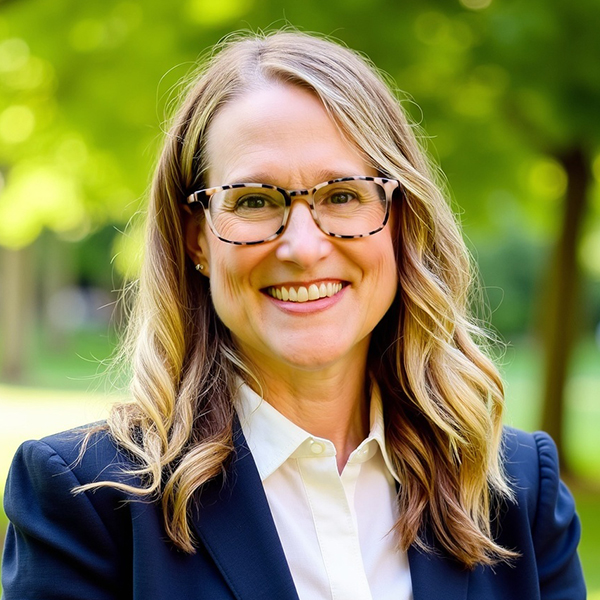 Christin Kinman, End User Consultant, Allegion
Christin is an End User Sales Consultant at Allegion, drawing on experience in civil engineering, public health, and safety-focused project management. Her career spans research at the University of Maryland Shock Trauma Center and securing over $4M in security grants for the Archdiocese of Baltimore. A member of ASIS and contributor to national school security standards, she speaks widely on safety topics and is pursuing doctoral studies in school security and emergency operations planning.
|
| WEDNESDAY, JUNE 10, 2026 | 8:00 – 9:00 AM |
| Designing Brave Spaces: Improving Health, Safety, and Engagement Through Communication |
|
Grand Ballroom (ABC) / Foyer
Learning environments are often redesigned through furniture, layout, and technology, yet student disengagement, behavioral escalation, and educator burnout frequently persist. This session reframes learning environment design through a health, safety, and welfare lens, focusing on how communication norms and psychological safety shape occupant well-being as powerfully as physical space. Participants will explore how everyday classroom environments can unintentionally increase stress, limit student voice, and undermine equitable participation. The session demonstrates how intentional communication practices, such as agency-building routines, emotional regulation protocols, and inclusive engagement norms, can significantly improve safety, wellness, and learning outcomes without requiring additional physical or financial resources. Through real-world scenarios and practical design strategies, attendees will learn how to activate existing spaces as brave spaces that support mental health, reduce behavioral risk, and foster a sense of belonging for both students and educators. The session emphasizes scalable, low-cost approaches that prioritize human-centered design, equity, and well-being in K–12 learning environments.
Learning Objectives:
- Identify how communication norms and psychological safety directly impact health, safety, and welfare within learning environments.
- Evaluate existing classroom or school spaces for stress-inducing conditions related to disengagement, silence, or behavioral escalation.
- Apply low-resource communication strategies that improve emotional regulation, participation, and occupant well-being.
- Design a practical, human-centered intervention that transforms an existing learning space into a safer, more inclusive environment.
Community Engagement: Leads the internal and external communities through a discovery process that articulates and communicates a community-based foundational vision, forming the basis of a plan for the design of the learning environment. The vision is achieved through a combination of rigorous research, group facilitation, strategic conversations, qualitative and quantitative surveys and workshops. Demonstrates the skill to resolve stakeholder issues while embedding a community's unique vision into the vision for its schools.
 Norberto Troncoso
Norberto is an educator, instructional coach, and learning experience designer with over a decade of experience supporting student engagement, communication, and school culture in K-12 settings. He has served as a speech and debate coach, theater educator, and program leader, helping schools strengthen psychological safety, student voice, and equitable participation. His work focuses on low-resource, human-centered strategies that improve learning environments through communication, behavior, and community engagement.
|
| WEDNESDAY, JUNE 10, 2026 | 9:00 – 10:00 AM |
| “Jugaad” Learning Ecosystem: Thriving on Limited Resources & Constrained Environments |
|
Regency A
“Jugaad” (noun) is defined as a flexible approach to problem-solving that uses limited resources in an innovative way. Simply put, it is about making the most of what you have and arriving at a solution, no matter how tricky the problem. At its heart, Jugaad captures a mindset that thrives in the face of challenges. Schools today face growing pressure to do more with less, including limited budgets, aging infrastructure, and changing teaching methods. This session introduces Jugaad, an innovation principle that turns limited resources into creative solutions. “Jugaad” is the art of turning scarcity into opportunity, using whatever is at hand to craft ingenious solutions. It is about squeezing possibilities from every challenge, transforming roadblocks into steppingstones with a spark of creativity and a dash of boldness. This mindset thrives on clever detours and inventive paths, always finding a way forward. Step into a lively discussion on how this spirit can inspire fresh approaches to K-12 design. The presentation weaves together case studies to explain the “Jugaad” leaning ecosystem, championing a forward-thinking mindset. This approach encourages finding solutions even when none seem available, turning constraints into advantages, working around obstacles, and imagining new ways to reach goals. It is about staying flexible and making the most of limited resources.
Learning Objectives:
- Discover the spirit of Jugaad principles that broaden reach, enhance adoption, and preserve the social value of the learning/ experiential process.
- Explore through the lens of Jugaad how constraints can catalyze creativity.
- Identify Jugaad as a scalable framework for the design of classrooms and school buildings.
- Translate Jugaad principles into actionable design and planning strategies, rethinking learning environments as a dynamic ecosystem of possibility.
Design of Educational Facilities: Acts as a resource to the design team in providing ongoing guidance and support to ensure that the emerging and ultimate design aligns with the established community vision, education goals, future programming, written design standards, best/next practices and education policy.
 Aarti Kathuria, K-12 Studio Leader, Brewster Thornton Group Architects
Aarti, a registered architect in Rhode Island, brings more than 16 years of adaptive reuse expertise to her work. Driven by a passion for breathing new life into educational spaces, she transforms aging buildings into vibrant environments that foster 21st-century learning. As K-12 Studio Leader at Brewster Thornton Group Architects, Aarti leads the charge in reimagining and designing schools that spark inspiration and empower the next generation of learners.
|
| Beyond the Image: Graphics as a Resource for Teaching and Learning |
|
Regency B
At Bristol County Agricultural High School, the entire campus was designed to function as a living teaching tool. Custom graphics installed throughout the campus, on walls, windows, stairwells, and outdoor spaces, translate complex scientific, environmental, and technical concepts into visually compelling, easily understandable learning moments. With thoughtful collaboration between the instructors, architect, graphic designer images become an indicator for program identity in support of core curriculum. These graphics are fully integrated into vocational program facilities, helping students understand operational systems, workflows, and real-world applications directly in the spaces where they learn and work. They serve as instructional guides for students managing and maintaining these systems, providing ongoing, hands-on learning opportunities that extend beyond formal lessons. They are integrated into classrooms, hallways, and common spaces, making science and sustainability a visible and constant part of the school day. This consistent visual messaging also strengthens campus culture, reinforcing the school’s identity, vocational mission, and sustainability values, while encouraging curiosity, inquiry, and student engagement throughout the campus. By combining modest investment with thoughtful placement and design, the graphics have delivered lasting instructional, experiential, and cultural impact, demonstrating how schools can maximize educational outcomes and campus identity with limited resources. This session will explore the process of integrating graphics, their impact on vocational and academic programs, and strategies for extending educational value across facilities and campus culture.
Learning Objectives:
- Learn how to incorporate visioning goals into strategies that make school facilities tools for teaching.
- Learn how to integrate vocational academics into traditional core academics.
- Explore how graphics can serve as hands-on instructional tools for students maintain and operating campus systems.
- Explore how graphics can support academic curriculum.
Design of Educational Facilities: Acts as a resource to the design team in providing ongoing guidance and support to ensure that the emerging and ultimate design aligns with the established community vision, education goals, future programming, written design standards, best/next practices and education policy.
 Suni Dillard, AIA, LEED AP BD+C, Senior Associate, Sustainability Leader, HMFH Architects
Suni is a Senior Associate and Sustainability Leader at HMFH Architects. With 15 years of experience designing public schools, Suni has worked on projects from new career technical education facilities to the redesign of a multi-building agricultural high school campus. She is deeply committed to sustainability, implementing design strategies that are not only environmentally responsible but also create engaging, hands-on learning opportunities, connecting students to their curriculum and the world around them.
 Colin Dockrill, AIGA, Senior Associate, Interdisciplinary Designer, HMFH Architects
Colin is a Senior Associate and Senior Interdisciplinary Designer at HMFH Architects with 30 years of experience elevating K-12 learning spaces through creative use of color, finishes, and graphics. A talented artist and painter, Colin designs custom environmental graphics for many HMFH schools, using dynamic and engaging compositions to help connect students to their academics, the natural environment, and the surrounding community.
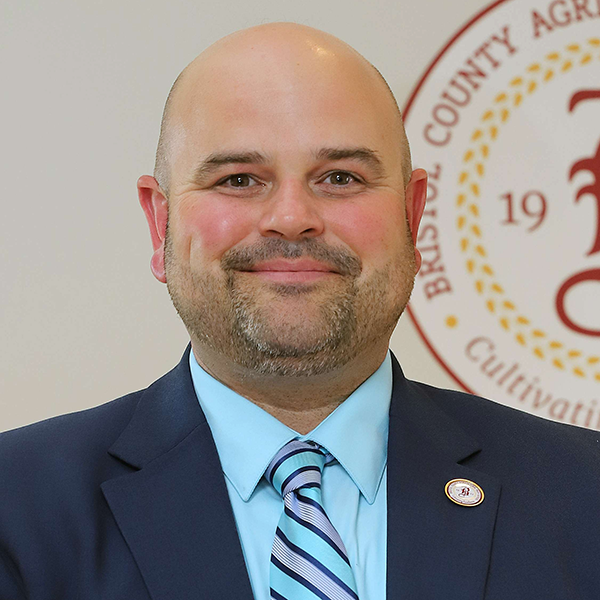 Derek Costa, Superintendent | Director, Bristol County Agricultural High School
Derek is a dedicated educational leader with over 25 years of progressive experience in supervision, strategic planning, and operational management. As the Superintendent | Director of Bristol County Agricultural High School since 2022, he oversees all aspects of district operations, policy implementation, and financial management, ensuring the institution’s continued growth and excellence. Derek holds a Master’s in Education Administration and a Bachelor’s in Psychology from the University of Massachusetts Lowell.
|
| Design for Place-Based Learning |
|
Regency C
Together we will explore how our environment shapes our school buildings and the learning within it. Place-based learning is a powerful pedagogical approach that incorporates elements of ecology, economy, and culture unique to each community. In short, this approach uses the local environment and community as a classroom. Instead of learning ideas being in the abstract, students learn through real places, cultural sites, and the issues connected to them. Highlighting examples from Cold Spring School in New Haven, students see themselves as active citizens by studying ecosystems, learning through history, using math to analyze neighborhoods, writing persuasive essays, and more. From the architectural perspective, we will explore design for the St. Regis Mohawk Elementary school and how culture and place can be reflected in design of the physical learning environment. Exploring from the dual lens of both a designer and an educator this session will uncover how to more powerfully explore and reflect place-based learning by designing-built environments and the learning opportunities within them.
Learning Objectives:
- Articulate the value of place-based learning and its impact across student developmental stages.
- Analyze examples of place-based learning to understand how it can be implemented at different grade levels.
- Apply strategies to reflect local identity in the built environment through intentional design decisions.
- Strengthen inquiry and observation skills by asking purposeful questions and researching what makes each place unique to inform the design process.
Design of Educational Facilities: Acts as a resource to the design team in providing ongoing guidance and support to ensure that the emerging and ultimate design aligns with the established community vision, education goals, future programming, written design standards, best/next practices and education policy.
 Kristen Hill, ALEP, AIA, Educational Planner, Vaysen Studio
Kristen is an Educational Planner and Architect with expertise in stakeholder engagement, change management, and facilitation. She holds a Masters Degree in Architecture from Tulane University as well as a background in design thinking, and curriculum development. She is a champion of the user experience throughout the design process by leading collaborative, equity-focused community engagement and planning processes for education and community clients having worked on 50+ schools in 8 different states.
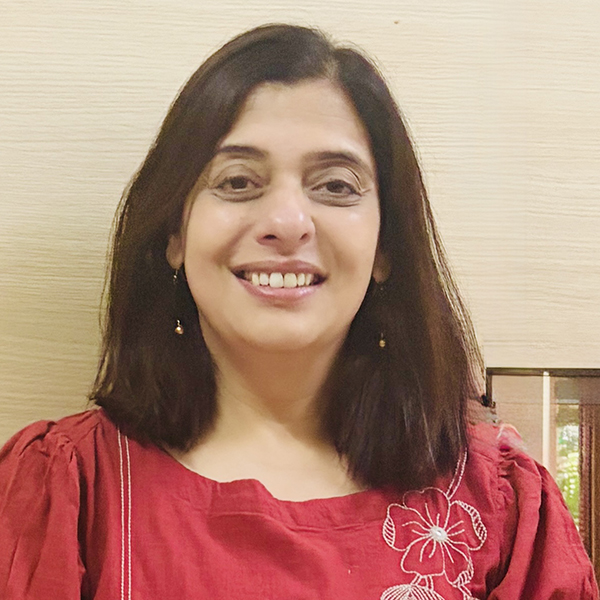 Arati Pandit
With 30 years in education, Arati’s work has been to design inclusive, student-centered learning. A seasoned leader, she has guided schools through growth and innovation while shaping reflective, collaborative cultures. As Educational Planner at Vaysen Studio, she works in partnership with architects to bridge pedagogy and design as they build purposeful learning environments that inspire curiosity, creativity, and belonging. She also serves on nonprofit boards in New Haven, Connecticut supporting literacy and community history initiatives.
|
| Small Changes, Big GREEN Wins: Reimaging Existing Classrooms for a More Sustainable Future |
|
Grand Ballroom
Sustainability in schools does not have to start with a new building – or a new budget. This session explores how educators, designers, and administrators can “green” existing classrooms using small, strategic moves that deliver outsized impact. Using existing High School as a case study, we will show existing conditions along with first-hand feedback from students, teachers and administration on the biggest obstacles the physical building creates to achieving their educational goals. Like many communities, the town has multiple school facilities in need of improvement, yet limited funding makes comprehensive renovations across all buildings financially unfeasible. This session will provide low-cost interventions and practical design strategies that can reduce environmental impact, improve student well-being, and refresh learning spaces without major renovation – rethinking layouts, materials, lighting, air quality, finishes and daily use patterns. Participants will leave with actionable ideas for transforming what they already have into healthier, more inspiring, and more sustainable learning environments.
Learning Objectives:
- Understand how to identify high-impact sustainable opportunities in existing classrooms.
- Explore low-cost design and operational strategies that improve comfort, health, and engagement.
- Learn approaches to repurpose, reconfigure, and refresh existing furniture, materials, and spades.
- Gain a framework for prioritizing improvements with budgets and time are limited and leave with actionable strategies to implement immediately in their own schools and/or with clients.
Design of Educational Facilities: Acts as a resource to the design team in providing ongoing guidance and support to ensure that the emerging and ultimate design aligns with the established community vision, education goals, future programming, written design standards, best/next practices and education policy.
 Ron Lamarre, ALEP, AIA, LEED-WELL AP, MCPPO, Senior Associate, Finegold Alexander Architects
As an architect focused on the planning and design of inspiring and meaningful environments that encourage life-long learning, Ron’s success has always been attributed to listening to clients, colleagues, industry partners, and all members of our community. He believes leading the process that creates memorable places and spaces is an honor; requiring constant innovation found in continuous research to understand and implement evolving technologies that enable long-lasting value and a sustainable future.
 Jess Farber, PE, Vice President, CMTA
Jess is an innovation leader with more than three decades of experience in engineering and sustainability in a range of markets such as higher education, healthcare, K12 schools and more. As Vice President for CMTA, he leads our Boston offices and drives environmental transformation through zero-energy projects and decarbonization initiatives across the Northeast and the United States. With his passion for lasting change in the built environment, he’s making a profound impact on our world today.
 Dr. Michelle L. McKeon, Superintendent, Mansfield Public Schools
Dr. McKeon is the Superintendent of Mansfield Public Schools with over 25 years of experience in public education. She has served as a teacher, principal, and Assistant Superintendent of Curriculum, Instruction, and Assessment, where she led district strategic planning and educational visioning efforts to develop a model high school concept focused on hands-on, experiential learning paired with rigorous academic programming. Her work emphasizes aligning instructional priorities with innovative, future-ready learning environments. Superintendent McKeon holds a Doctorate in Educational Leadership and is an active member of the Massachusetts Association of School Superintendents and the American Association of School Administrators.
 Scott C. Holcomb, Superintendent of Schools, Swansea Public Schools
Scott is the Superintendent of Schools for Swansea Public Schools in Swansea, Massachusetts, where he leads a PreK–12+ district serving approximately 2,000 students across six schools.
With more than 30 years in public education, Scott has served in a wide range of roles, including high school science teacher, department chair, assistant principal, principal, assistant superintendent, and superintendent and college professor. He began his career as a science teacher in Bellingham, Massachusetts and has held key leadership positions in districts including North Attleborough, Massachusetts and Taunton, Massachusetts.
As Superintendent in North Attleborough, Scott led strategic initiatives to expand student opportunities and authored Statements of Interest to the Massachusetts School Building Authority, advancing major school building and renovation efforts. He has been actively involved in numerous MSBA core renovation projects and in the state’s Science Lab Initiative, one of Massachusetts’ largest coordinated investments in modernizing science learning environments.
Scott’s work also reflects a strong commitment to equity and access. Through partnerships with organizations such as the Barr Foundation, he has helped expand opportunities for historically marginalized student populations.
In addition to his district leadership, Scott serves on the Board of Directors for the South Coast Educational Collaborative, contributing to regional collaboration and shared services across school systems.
Scott brings a collaborative, student-centered approach to leadership, with particular expertise in aligning educational vision, facility design, and long-range planning to create engaging, future-ready learning environments.
|
| WEDNESDAY, JUNE 10, 2026 | 11:00 AM – 12:00 PM |
| District-Wide Change – A Fresh Perspective |
|
Regency A
In 2017, when voters approved $64M to make improvements to four Portland, Maine elementary schools, no one could have imagined the perfect storm that was coming. While challenging, it seemed “doable” – make targeted renovations to four elementary schools, originally built from the 1950s-1970s, to create safe, secure, sustainable, 21st Century learning places, over a multi-year design & delivery process. And then came Covid19 and everything started to change. Costs skyrocketed, labor markets tightened, and material shortages surged. Promises made in the early design process became impossible to keep in 2021 and beyond. But in the end, we prevailed. In this session we’ll explore the strategies and tactics that propelled this successful district wide school improvement project amid the unprecedented challenges of 2020-2024 when they were completed. The design team, along with leaders from the District’s Facilities team, will illustrate the approaches, methods and tools we deployed to keep our promise to the Portland community to deliver an outstanding District-wide solution that would enable students and educators to thrive. Key aspects of the project that we will explore will include:
- Defining the priorities and “essence” of each of the District’s individual elementary schools.
- Educating stakeholders on the value of visible impact and functional results.
- Establishing a framework to determine how to make the “right” sacrifices.
- Crafting strategies for increasing value amid rising construction costs.
- How to maintain equity across the District in the face of decreased buying power.
- Managing client and community expectations amid rising costs.
Learning Objectives:
- Creative scheduling and phasing strategies to manage costs across multiple projects.
- Learn communication strategies and tools for how to frame the impact of rising costs and help manage stakeholder expectations as economic realities change.
- Explore design strategies to ensure solutions are rooted in community values, priorities, and budgetary realities.
- Identify concrete examples of how to craft a community driven process that is adaptable and agile to ensure buy-in from diverse and sometimes competing stakeholder groups.
Design of Educational Facilities: Acts as a resource to the design team in providing ongoing guidance and support to ensure that the emerging and ultimate design aligns with the established community vision, education goals, future programming, written design standards, best/next practices and education policy.
 Lisa Sawin, AIA, LEED AP BD+C, Principal, Harriman Associates
A gifted communicator, Lisa is a Principal and leads Harriman’s Pre K-12 Education Studio. Passionate about developing learning environments that support educators and students alike, Lisa is a hands-on project leader, working with school leadership, administration, and facilities personnel to provide meaningful solutions to operational and functional challenges. She holds both a Bachelor of Science and a Master of Architecture from Norwich University and brings over 15 years of experience to her role.
 Tammara Sweeney, Director of Facilities, Management and Maintenance Services, Portland Public Schools
Tammara oversees the maintenance, servicing and improvement of the physical learning environments for Maine’s largest school district. She is committed to cultivating welcoming, inclusive and safe spaces for students and staff that facilitate the delivery of a quality educational experience for each student. Prior to joining Portland Public Schools in 2022, she spent nearly 20 years as a Facilities Manager with Giant Eagle, where she oversaw a portfolio of 350 retail facilities in five states.
 Steven Stilhpen, Former Director of Facilities, Portland Public School
Steven is an experienced facilities leader. He spent over eight years as the Facilities Director for Portland Public Schools, Maine’s largest school district, where he oversaw a diverse portfolio and led numerous complex building construction, renovation and improvement projects. Steven’s 25-year career also included municipal and senior life projects. He is a graduate of Maine Maritime Academy.
|
| WiCCed Smart: Designing the Future of CTE Turning Uncertain Programs and Tight Budgets into Future-Ready CTE Spaces |
|
Regency B
As schools and districts across the country face tightening budgets, shifting enrollment patterns, and evolving workforce demands, the challenge is no longer just how to build new, but how to thoughtfully reimagine what already exists. This presentation examines how the Winnisquam Career Center (WiCC) transformed an existing agricultural center into an expanded Career and Technical Education (CTE) facility, adding new manufacturing and cosmetology programs amid significant funding constraints. Compounding the challenge, the project moved forward without a clearly defined program structure or guaranteed student population. To address this uncertainty, the project team expanded to include an educational program consultant who worked alongside district leadership, instructors, and industry partners to help define and validate program opportunities. The consultant helped analyze regional workforce trends, align potential programs with student interest and industry demand, and translate educational goals into spatial and functional requirements that could guide design decisions. Rather than allowing these uncertainties to limit progress, the project team embraced them as a framework for innovation. The design process prioritized flexibility, adaptability, and shared infrastructure, creating spaces capable of supporting a range of current and future CTE pathways beyond agriculture alone. The inclusion of program planning expertise ensured that space planning was directly informed by instructional delivery models, equipment needs, and long-term program evolution. This session will walk attendees through the overall design process, highlighting how limited financial resources informed strategic decisions about renovation versus replacement, space reuse, and multipurpose design. Particular emphasis will be placed on how the evolving program definition, supported by the educational program consultant, encouraged a values-driven approach—focusing on durability, scalability, and long-term educational relevance. By re-envisioning the agricultural center as a flexible foundation for expanded CTE offerings, the project demonstrates how thoughtful design and strategic program planning can unlock significant impact with modest means.
Learning Objectives:
- Understand Strategies for Reimagining Existing Facilities: Identify and evaluate design strategies for transforming existing buildings into expanded CTE learning environments, including adaptive reuse, shared infrastructure, and multipurpose space planning.
- Evaluate the Impact of Program Planning on Facility Design: Analyze how collaboration with an educational program consultant, district leadership, and industry partners can help define program direction, align with workforce needs, and translate instructional goals into facility requirements.
- Examine Design Approaches When Programs Are Still Evolving: Assess methods for designing spaces without a fixed program or guaranteed enrollment, including planning for flexibility, scalability, and long-term adaptability to support future CTE pathways.
- Explore Funding-Conscious Design Decision Making: Understand how financial constraints influence choices between renovation and replacement, prioritization of investments, and strategies for maximizing long-term value with limited resources.
- Investigate Cross-Disciplinary Collaboration Opportunities: Explore how architects, educators, program consultants, and community partners can work together to create responsive, workforce-aligned learning environments.
- Discuss the Future of Flexible, Workforce-Ready Learning Environments: Discuss how adaptable facility design supports evolving workforce demands, emerging career pathways, and long-term educational relevance in changing economic and enrollment landscapes.
Educational Visioning: Exhibits an understanding of best and next practices related to educational leadership, programming, teaching, learning, planning and facility design. Establishes credibility with educators, community members and design professionals while conceiving and leading a community-based visioning process. Demonstrates the ability to articulate the impact of learning environments on teaching and learning and uses that ability to facilitate a dialogue that uncovers the unique needs and long-range goals of an educational institution and its stakeholders – translating that into an actionable written/graphic program of requirements for the design practitioner.
 Jay Doherty, ALEP, AIA, LEED AP, Principal / Ed Planner, LAVALLEE | BRENSINGER ARCHITECTS
Jay has over 25 years of experience designing and planning K-12 learning environments throughout New England. He is passionate about designing spaces for the next generation of learners and promoting hands-on experiential learning through sustainable design. Jay was one of the first LEED Accredited Professionals in NH and one of the first ALEP Certified Professionals in NH. Jay sits on numerous CTE Advisory Boards helping to shape current and future programs throughout New Hampshire.
 Julie M. Spence, ALEP, AIA, Sn. Associate / Ed Planner, LAVALLEE | BRENSINGER ARCHITECTS
Julie is a leader in designing Career and Technical Education (CTE) environments across the Northeast. She designs innovative, experiential spaces that are safe, flexible, and adaptable, empowering students, making learning relevant to real-world careers, and readying them for professional achievement. An ALEP-certified professional and Massachusetts Registered Architect, Julie is actively involved with ACTE, advancing the future of CTE through thoughtful, forward-looking design.
 Steve Rothenberg, Founder / Owner, Rothenberg Consulting Group
Steve is a longtime CTE and public school principal in a large comprehensive high school. This crossover skill set, between career-connected learning and comprehensive education (good teaching!), is at the core of his expertise. As a 14-year director of a nationally recognized regional CTE center, he managed the center’s transition from a struggling vocational program to a robust Career and Technical Education center, serving more than 750 students from nine regional school districts. Steve led this effort by redefining programs and protocols, building collaborative partnerships with industry and postsecondary institutions, and developing a data-driven model to target efficiency, effectiveness, and program evaluation. He has expertise in development, including branding, marketing, and recruitment, with a focus on value proposition.
|
| Constraint to Opportunity: Value-Driven Learning Environments that Inspire Student Growth |
|
Regency C
Boys & Girls Clubs of America supports young people in reaching their full potential as productive, caring and responsible citizens through exciting programs that foster a sense of belonging and connection within their community. Founded in Hartford, Connecticut in 1860, Boys and Girls serve neighborhoods that have historically lacked equitable access to extended social and educational services. This presentation will follow the successful completion of two facilities in Hartford: a new Boys and Girls Club Hartford (B&GCH) South End facility in 2021 and strategic renovations to the Joseph D. LaPenta Northwest Club, opened in 2024. Each of these Clubs are embedded in neighborhoods near schools within the City and provide extended learning opportunities for students from the surrounding community. Each project was faced with limited funding and a need to create efficient facilities with engaging and multi-functional spaces that accommodated student-members from K thru 12th grade. This session will explore how strategic value engineering, strong client collaboration, and thoughtful design decisions maximized impact within tight constraints. The renovated facility includes a full-sized gymnasium, teen and game rooms, a recording studio, and flexible classrooms that serve both students and the surrounding community. Presenters will demonstrate how maximizing value—rather than cost—can deliver meaningful, high-quality spaces that support education, identity, and community pride. The voice of Boys and Girls Club leadership and student/members will be represented through video presentations within the discussion.
Learning Objectives:
- Understand how limited funding, paired with strong client relationships, can drive creative design strategies that result in high-quality, modern educational and community environments.
- Identify how cohesive branding, color palettes, furniture standards, and environmental graphics can reinforce a sense of belonging, connect multiple facilities across a city, and serve as a cost-effective design tool.
- Evaluate value engineering strategies that prioritize long-term impact and user experience while working within existing buildings and constrained budgets.
- Apply lessons learned from adaptive reuse projects to future community-based or educational design efforts seeking to maximize value and social impact.
Design of Educational Facilities: Acts as a resource to the design team in providing ongoing guidance and support to ensure that the emerging and ultimate design aligns with the established community vision, education goals, future programming, written design standards, best/next practices and education policy.
 Emily Czarnecki, NCIDQ, Principal, Director of Interior Design, JCJ Architecture
Emily has more than 24 years of experience designing education and community-focused environments. She partners closely with public-and private-sector clients to deliver thoughtful, consensus-driven solutions. She is known for leading collaborative, interdisciplinary teams and for championing rigorous design standards and transparent processes. Emily earned her Bachelor of Arts from the University of New Haven has been a member of the JCJ team since 2003.
 Fawn Pellgrini, AIA, LEED AP, Associate Principal, Senior Project Manager, JCJ Architecture
An Architect with 28 years of experience working with clients in the public and private sectors, Fawn is a skilled project facilitator and dedicated client advocate. She has led large, interdisciplinary design and delivery teams for projects in K12 education, community, not-for-profits and higher education. Fawn holds a Bachelor of Arts in Art History and Architectural Studies from Trinity College and earned her Masters of Architecture from the University of Pennsylvania. She has been with JCJ since 2005.
|
| Innovation on a Budget: Building Flexible STEAM Environments |
|
Grand Ballroom
Transformative, 21st Century learning environments can be realized even when operating with limited resources if combined with creativity, collaboration, and strategic reuse. University Academy Charter High School (UACHS), in collaboration with KSS, reimagined a former commercial laundromat turned office in Jersey City, New Jersey into a dynamic, interdisciplinary STEAM suite. Designed with a mature, university-like atmosphere, the space elevates student agency while supporting the school’s goal of strengthening its academic program, which in turn attracts prospective students and support enrollments growth. Student and staff engagement was integral throughout the planning and design process. The process ensured the environment directly supports teaching methods, learning styles, and student interests and aspirations. The design minimizes demolition and maximizes flexibility by embracing the building’s existing structure and material character. The suite balances active collaborative zones—including a makerspace, robotics arena, media and recording studio, and technology lab—with quieter focused areas for individual or small group work. Wet and dry science labs for biology, chemistry, and physics provide space to teach the underlying concepts investigated in the active areas. Intentional adjacencies and spatial fluidity encourage cross-disciplinary learning and student choice. Designed for long-term adaptability, the STEAM suite is positioned to evolve alongside emerging technologies and educational needs. The presentation will demonstrate how the space is used in practice; featuring interviews and testimonials from students and staff that highlight its impact on engagement, partnerships, and learning.
Learning Objectives:
- Apply adaptive reuse strategies to convert existing buildings with limited resources into high-impact STEAM learning environments.
- Demonstrate how early, hands-on engagement with students during the design phase informs choices that create an inclusive and collaborative environment in the space.
- Illustrate how evolving partnerships influence program opportunities.
- Demonstrate impact through post-occupancy interviews, surveys, and testimonials from students and staff.
Educational Visioning: Exhibits an understanding of best and next practices related to educational leadership, programming, teaching, learning, planning and facility design. Establishes credibility with educators, community members and design professionals while conceiving and leading a community-based visioning process. Demonstrates the ability to articulate the impact of learning environments on teaching and learning and uses that ability to facilitate a dialogue that uncovers the unique needs and long-range goals of an educational institution and its stakeholders – translating that into an actionable written/graphic program of requirements for the design practitioner.
 Beth Emig, AIA, Principal, KSS Architects
From early visioning through project completion, Beth collaborates closely with clients to clarify their values and uncover the design potential within each project’s constraints and opportunities. Her work spans innovative educational environments, new campus initiatives, and community-centered installations that foster connection and engagement. Believing that design can meaningfully shape daily experience, learning, and community life, Beth approaches each project with curiosity and a commitment to possibility.
Lemuer Perez, Math and STEM Supervisor of Curriculum and Instruction, University Academy Charter High School
Lemuer is the Math and STEM Supervisor of Curriculum and Instruction at University Academy Charter High School in Jersey City, NJ. A former principal, he brings extensive experience in instructional leadership, data driven decision making, and program development. He also serves as a clinical supervisor and adjunct instructor, supporting aspiring educators at Fairleigh Dickinson University. Rooted in his commitment to educational equity, Lemuer is passionate about creating innovative, student centered learning environments that expand opportunity and access.
|
| WEDNESDAY, JUNE 10, 2026 | 1:30 – 2:30 PM |
| From Vacant to Vibrant: Reimagining Early Childhood Education with Limited Resources |
|
Regency A
In an era where budgets are tight and resources are finite, repurposing underutilized commercial spaces into early childhood education centers demonstrates how thoughtful planning and imaginative problem-solving can yield transformative results. By leveraging existing structures, design teams create vibrant, community-focused learning environments that maximize daylight, safety, and health while keeping construction costs low within a tight project schedule. Through collaboration, innovative use of materials, and flexible design strategies, these projects challenge traditional assumptions and prove that small resources can have a big impact. The results are an inclusive, future-ready spaces that foster equity and inspire student growth, all achieved by reimagining more with less.
Learning Objectives:
- Demonstrate How Adaptive Reuse Maximizes Impact with Limited Resources: Learn how repurposing commercial spaces for early childhood education can stretch budgets, accelerate timelines, and deliver high-quality environments through creative, resourceful design.
- Identify Design Strategies That Achieve Health, Safety, and Wellbeing on Modest Budgets: Explore practical approaches including daylighting, secure circulation, and air quality improvements that enhance student wellbeing while making the most of available resources.
- Explore Methods for Creating Inclusive, Flexible, and Sensory-Friendly Spaces with Minimal Means: Discover how accessibility, sensory-friendly features, and flexible learning zones can be integrated into designs that prioritize equity and student engagement, even when resources are limited.
- Examine Collaborative and Innovative Processes That Turn Constraints into Opportunities: Understand how collaboration among clients, design teams, regulatory agencies, and communities combined with imaginative problem-solving, can transform constraints into opportunities for impactful, future-ready educational spaces.
Design of Educational Facilities: Acts as a resource to the design team in providing ongoing guidance and support to ensure that the emerging and ultimate design aligns with the established community vision, education goals, future programming, written design standards, best/next practices and education policy.
 Elizabeth Geldres, AIA, NCARB, LEED AP BD+C, NOMA, PMP, Senior Associate, Senior Project Manager, Stantec
Elizabeth offers a rare dual lens of architectural expertise and strategic delivery. A Registered Architect and PMP, she manages over 70 NYCSCA projects, leveraging collaborative processes and creative design to deliver high-quality, future-ready learning environments. Her background as an Owner’s Representative on MSBA projects further informs her ability to manage complex budgets and accelerated timelines. Elizabeth also serves on Harlem Academy’s Junior Board and has taught their architecture studio for a decade.
 Carolina Charles, Assoc. AIA, NOMA, Senior Associate, Stantec
Carolina is a Senior Associate leading Stantec’s NYC SCA portfolio of over 70 schools. She manages large-scale capital projects, overseeing stakeholder engagement and milestones. A passionate advocate for early childhood design, Carolina transforms underutilized sites into vibrant spaces that inspire the city’s youngest learners. This dedication to the next generation extends to her role as a long-time ACE Mentor, where she champions architectural representation and provides students meaningful industry exposure.
|
| The Campus as Learning Landscape: Exterior Environments as Pedagogical Infrastructure for Project-Based Learning |
|
Regency B
Expeditionary Learning and Project-Based Learning depend on environments that allow inquiry, collaboration, and reflection to unfold beyond the classroom. This session examines how exterior campus environments can function as pedagogical infrastructure, actively supporting learning, wellness, and inclusion rather than serving as residual space between buildings. Drawing from built work and current campus planning studies at the Michigan School for the Deaf, the Maryland School for the Deaf, Mundo Verde Public Charter School, and Capital City Public Charter School, the session explores how learning landscapes shape movement, sensory engagement, ecological interaction, and collective encounter across developmental stages and ability levels. Particular attention is given to campuses serving deaf and hard-of-hearing students, where landscape design operates as a sensory extension, reinforcing perception, orientation, and social connection through visual, tactile, and environmental cues. Through these case studies, attendees will gain practical insight into how gardens, waterways, play environments, outdoor classrooms, and adjacent parks can support expeditionary learning, project-based play, and community integration. The session demonstrates how intentionally designed exterior environments advance health, safety, and welfare while transforming the campus itself into an active teacher.
Design of Educational Facilities: Acts as a resource to the design team in providing ongoing guidance and support to ensure that the emerging and ultimate design aligns with the established community vision, education goals, future programming, written design standards, best/next practices and education policy.
 Todd Ray, FAIA, LEED-Ap, Design Principal, Stantec
Todd is an architect and design leader with more than 30 years of experience shaping K–12 and higher education environments that integrate pedagogy, equity, and inclusive design. His work focuses on learning landscapes and expeditionary and project-based learning, with particular emphasis on campuses that support student health, safety, and welfare. Todd has led planning and design efforts for schools serving diverse learners, including extensive work with deaf and hard-of-hearing communities, where exterior environments function as sensory extensions that reinforce perception, orientation, and social connection. Todd regularly speaks at professional conferences on campus planning, experiential learning, and inclusive design, drawing from built work and research-driven practice to translate complex ideas into actionable insights.
Kristin Scotchmer, Strategy Coach & Consultant, Cultiva Consulting
Kristin is a nonprofit executive and former founding Executive Director of Mundo Verde Bilingual Public Charter School, where she led the design and growth of high-quality learning environments serving more than 1,000 students. Her work includes delivering LEED Gold and Platinum schools and designing a Net Zero campus within constrained budgets. She integrates systems design, project-based learning environments, and resourceful planning to transform limited resources into spaces that support equity, student well-being, and long-term impact.
 Steve Kelly, PLA, Principal, Mahan Rykiel Associates
Steve is a landscape architect and urban designer with more than 30 years of experience in master planning and placemaking for learning environments and communities. His portfolio spans K–12 and higher education campuses, healthcare, parks, trails, town centers, and mixed-use, hospitality, and resort projects in both public and private sectors. A recipient of multiple ASLA awards for campus and healthcare design, Steve is known for creating inclusive, resilient, and pedagogy-supportive outdoor spaces.
|
| Reimagining Learning Environments: Strategic Design for High Impact at Any Budget |
|
Regency C
Across K–12 education, budget limitations often narrow the design conversation before it begins. When resources are constrained, projects default to minimal upgrades or deferred improvements, and the opportunity for meaningful spatial transformation is lost. This session reframes constraints as a catalyst for stronger design thinking. Rather than focusing on large-scale capital projects, participants will explore how instructional alignment, spatial flexibility, usability, and psychological safety can be achieved within existing buildings and modest budgets. Through a structured framework, the session examines how architects and interior designers can maximize impact by:
- Designing around instructional behaviors, not aesthetics
- Leveraging layout, sightlines, and zoning to influence engagement
- Prioritizing adaptability over single-use specialization
- Guiding districts toward phased, scalable improvements
Using real-world examples from legacy school environments, the session highlights how thoughtful spatial interventions—often within existing footprints—can significantly improve engagement, collaboration, and belonging without major renovation. Participants will leave with strategies for delivering transformative outcomes even when financial resources are limited.
Learning Objectives:
- Apply a four-driver design framework (instructional alignment, flexibility, usability, safety & belonging) to evaluate and strengthen learning environments within budget constraints.
- Identify spatial strategies—such as zoning, circulation planning, sightline optimization, and adaptable furnishings—that produce measurable instructional and behavioral impact without major construction.
- Develop phased design approaches that allow districts to pilot, measure, and scale improvements over time.
- Align design recommendations with district priorities and financial realities while preserving design integrity and long-term adaptability.
Educational Visioning: Exhibits an understanding of best and next practices related to educational leadership, programming, teaching, learning, planning and facility design. Establishes credibility with educators, community members and design professionals while conceiving and leading a community-based visioning process. Demonstrates the ability to articulate the impact of learning environments on teaching and learning and uses that ability to facilitate a dialogue that uncovers the unique needs and long-range goals of an educational institution and its stakeholders – translating that into an actionable written/graphic program of requirements for the design practitioner.
 Robert Rosenheim, Ed.M., Learning Experience Coordinator, Meteor Education
Robert currently serves as the Learning Experience Coordinator for the northeast studio at Meteor Education. Robert supports the design of ProSocial learning environments for school districts throughout the northeastern United States. Prior to joining Meteor Education, Robert served in various district-level leadership and instructional positions in K-12 public school districts in New Jersey for 20 years. Robert holds a B.A. in history and English from Rutgers University, a M.S.Ed. in Reading, Writing, and Literacy from the University of Pennsylvania’s Graduate School of Education, and an Ed.M. in Educational Leadership, Organization, and Policy from Teachers College, Columbia University. He holds a graduate certificate in the Data Wise Improvement Process from the Graduate School of Education at Harvard University.
 Michelle Costello, M.Ed., Professional Development + Experience Leader, Meteor Education
|
| Budgets to Bricks: Improving School Facility Master Planning |
|
Grand Ballroom
Resourceful allocation of limited taxpayer dollars is a foundational success metric for public school capital projects. While the optimization of individual spaces for flexibility and multi-functionality is a key strategy, this effort most critically begins at the pre-design master planning stage when a full array of reconstruction, renovation/expansion, and creative hybrid scenarios should be explored to assure the future investment has the greatest possible impact on learning outcomes and the student experience. In this session, a school district superintendent and two architects and ALEP’s will review key master planning best practices, focus areas, evaluative tools, and lessons learned to conduct an efficient, comprehensive process. Multiple recent and currently underway projects will be discussed, showcasing different outcomes determined for school districts of varied size, setting, academic focus, and means.
Learning Objectives:
- Identify strategies for goal setting related to school facility master planning.
- Specify best practices in master planning implementation.
- Be familiar with evaluative metrics to determine the most appropriate approach to upgrade a school facility.
- Be able to cite a range of actual reconstruction, renovation, and hybrid approaches that have been implemented to upgrade school environments.
Educational Facility Pre-Design Planning: Manages a master planning process that combines educational planning, facilities assessment and utilization, demographic research, capital planning and educational specifications with a community-based vision to establish a plan for learning environments. This includes the ability to translate existing or aspirational instructional models to specific programming and spatial relationships.
 Michael Kelly, ALEP, AIA, LEED AP, Principal, KCBA Architects
Mike is a principal at KCBA Architects and longtime specialist in educational facilities. He has acted as lead architect for dozens of K-12 and higher education projects and is a regular contributor and speaker on the topics of learning environments, school security, and school funding advocacy. A graduate of Syracuse University, Mike serves as the architectural representative to the PA School Safety and Security Committee and as a member of the AIA Pennsylvania Sub-Committee for Education.
 Ryan Orr, ALEP, AIA, SARA, NCARB, Principal, KCBA Architects
Ryan is a principal at KCBA Architects with a strong focus on educational facilities. As designer on many new schools and major renovation and reconfiguration projects, he brings expertise with strategies to enable evolving educational programs, the latest standards for security and technology, and long-range master planning. Ryan is a Penn State graduate and heavily involved in professional associations such as SARA PA Council as well as youth mentorship through groups such as Scouting America.
 Darnell Deans, Chief of Operations, William Penn School District
Darnell is a passionate educator and accomplished operations leader with more than 20 years of experience in the education sector. As Chief of Operations for the William Penn School District, he has played a key role in advancing operational efficiency, long-term strategic planning and promoting district-wide sustainability. Throughout his career, Darnell has been instrumental in leading facility improvements, implementing energy-efficient solutions, and maximizing resource utilization to support student success, particularly within a low-wealth school district environment. His expertise in operations management, coupled with his commitment to innovation and continuous improvement, fuels his passion to continually enhance the learning environment for students and staff. Driven by a deep dedication to public education, Darnell holds an M.S. in Organizational and Strategic Leadership from Neumann University and remains focused on creating safe, sustainable, and supportive schools that empower teaching, learning, and community growth.
|
| WEDNESDAY, JUNE 10, 2026 | 3:00 – 4:00 PM |
| Designing at the Edge: Creativity Under Constraint |
|
Regency A
Many of the most successful education projects emerge from funding constraints that require non-traditional design paths. These challenges inspire design teams to pull out all the stops – sometimes to salvage as much of the project as possible – on behalf of their clients and most importantly for the students they serve. Working hand in hand, design teams, owners, educators, and builders collaborate more intentionally – prioritizing impact, maximizing available resources, and developing creative solutions that protect what matters most: student experience. While smaller projects often face the greatest funding hurdles, larger projects are rarely immune to financial limits. Across both public and private K–12 settings, our team has navigated projects of varying scale where budgetary pressures demanded imagination, flexibility, and disciplined decision-making. Participants will examine the similarities and differences among public and private school projects facing financial constraints and gain practical tools for transforming limitations into opportunities. The projects presented embody the spirit of this year’s theme: Small Resources, Big Impact: Reimagining More with Less.
Projects with limited resources often evolve significantly from their original intent. Budgets shift. Scope contracts. Priorities change. Yet these constraints do not diminish impact. When approached strategically, they can sharpen it. Through a review of diverse case studies, attendees will learn how each project faced unique challenges from a budgetary standpoint during their designs, the imaginative solutions the team were able to offer to move the projects forward, and the results that these efforts yielded. Projects include: an agricultural sciences barn, a gender-neutral toilet and locker room renovation, a child development center, a multi-phase public charter school renovation, a feasibility study for a church-to-school conversion, an athletic stadium renovation, and a special needs program tenant fit-out.
Learning Objectives:
- Compare and contrast funding challenges across small vs. large and public vs. private educational projects, identifying common constraints and strategic differences.
- Review the role of real-time and forward-looking cost estimating in informing stakeholder decision-making and maintaining project alignment during design.
- Discuss how practical financial and scope-management tools, such as prioritized wish lists, alternates, phased implementation, and strategic scope packaging, can create flexibility within constrained budgets.
- Evaluate redesign strategies when projects must pivot midstream and identify methods to preserve core educational goals despite scope reductions.
- Assess the impact of targeted improvements.
- Understanding how modest investments can significantly influence student experience, equity, and school culture.
Educational Facility Implementation, Project Management/Project Delivery: Has a working understanding of how the following areas impact the facility program: regulations and policies; project delivery methodologies; scheduling; preventative maintenance; life-cycle planning; and systems commissioning.
 Jennifer Lyon, AIA, NCARB, Vice President, Moseley
Jennifer is a Vice President and Principal at Moseley in Baltimore with over 20 years of experience leading K-12 projects across Maryland. She collaborates with teams to deliver innovative, functional, and student-centered learning environments that meet client goals. Involved from concept through construction, she resolves design challenges with efficiency and impact. Jennifer holds architecture and building sciences degrees from Rensselaer Polytechnic Institute and is AIA, NCARB certified, and licensed in MD, NY, and NC.
 Michael Blake, ALEP, AIA, NCARB, LEED AP BD+C, CNUa, Vice President, Moseley
Michael has over 30 years of design experience, leading a diverse range of projects for private, state, and federal clients. His extensive portfolio in educational design includes award-winning campus master plans, residence halls, and historic building restorations. Michael is particularly energized by working with independent schools, where each institution’s unique mission, culture, and program offerings shape a distinct design response. He is a member of the Association for Learning Environments (A4LE).
|
| Designing for Instructional Impact: Beyond Good, Better, Best |
|
Regency B
Designing for Instructional Impact: Beyond Good, Better, Best begins with the reality many districts face: limited budgets, limited space, and high expectations. The challenge isn’t choosing a “Good–Better–Best” package-it’s extracting maximum instructional value from every square foot and every dollar already in play. This session reframes “value” around what the environment does during the flow of a lesson, when teachers make rapid shifts that place real demands on space. Participants learn how intentional, often small and strategic design decisions can achieve big impact by preserving instructional momentum, reducing friction, and preventing costly misalignments that quietly undermine learning, engagement, and focus. We shift the conversation to the question that matters most: What is your design actually doing during instruction? Using authentic K–12 classroom examples, participants step into the rhythm of a typical class period to identify where design choices either amplify or dilute instructional impact. This session invites architects, designers, and dealers to step inside a new Instructionally Informed framework used with educators to evaluate learning environments-reframing furniture and layout decisions as innovative instructional tools and offering a sharper way to judge whether existing assets and modest adjustments truly support student success, long-term flexibility, and responsible use of bond and capital funds.
Learning Objectives:
- Analyze classroom layouts through the lens of instructional flow and student experience.
- Identify how spatial design supports movement, focus, access, and equity.
- Evaluate real classroom plans using an Instructionally Informed framework.
- Apply practical metrics to connect design decisions directly to student success.
Design of Educational Facilities: Acts as a resource to the design team in providing ongoing guidance and support to ensure that the emerging and ultimate design aligns with the established community vision, education goals, future programming, written design standards, best/next practices and education policy.
 Courtney Sevigny, Learning Environment Specialist, VS America
Courtney is an accomplished educator, school leader, and Learning Environment Specialist with more than twenty years of experience advancing transformational change in K–12 education. Her work spans classroom teaching, instructional leadership, and systems-level initiatives. She collaborates with architects, designers, district leaders, and educators to align pedagogy, design, and well-being. Courtney brings experience across visioning, planning, implementation, and post-occupancy support, guiding schools through instructional and cultural transitions so learning environments meaningfully serve teachers and students.
|
| Old Buildings, New Learning: Adaptive Reuse in K-12 Schools |
|
Regency C
Meaningful learning environments do not require large budgets or new construction. This presentation explores a series of small-scale adaptive reuse projects that demonstrate how targeted design interventions and thoughtful planning can enhance teaching, learning, and student engagement. Working within tight budgets and schedules, these projects leveraged existing conditions to create flexible, 21st-century learning environments. Selective demolition, spatial reorganization, and strategic material and furniture choices maximized impact while minimizing cost and disruption. Student and staff feedback informed key design decisions, ensuring each space supports instructional practices, learning styles, and school culture. The presentation will share interviews and testimonials that illustrate how the renovated spaces are actively used today, highlighting their influence on collaboration, focus, and engagement. These three projects offer a replicable model for doing more with less—showing how small, intentional investments can yield lasting educational value.
Learning Objectives:
- Apply adaptive reuse strategies to convert existing buildings with limited resources into high-impact learning environments.
- Demonstrate how early, hands-on engagement with students during the design phase informs choices that create an inclusive and collaborative environment in the space.
- Illustrate how design flexibility can allow evolving partnerships to create new program opportunities.
- Demonstrate impact through post-occupancy interviews, surveys, and testimonials from students and staff.
Educational Visioning: Exhibits an understanding of best and next practices related to educational leadership, programming, teaching, learning, planning and facility design. Establishes credibility with educators, community members and design professionals while conceiving and leading a community-based visioning process. Demonstrates the ability to articulate the impact of learning environments on teaching and learning and uses that ability to facilitate a dialogue that uncovers the unique needs and long-range goals of an educational institution and its stakeholders – translating that into an actionable written/graphic program of requirements for the design practitioner.
 Matthew McChesney, AIA, LEED AP, NCARB, Partner, KSS Architects
Matt serves as a trusted design advisor who considers the needs of the students, educators, and stakeholders. His work is grounded in an understanding of how learning environments shape the student experience, supporting both current educational needs and future pedagogical evolution. Across all projects, Matt is committed to responsible stewardship by reducing environmental impacts, optimizing material performance, and stewarding resources thoughtfully for future generations.
|
| THURSDAY, JUNE 11, 2026 | 9:00 – 10:00 AM |
| From Constraints to Opportunities: Early-Design Strategies That Elevate Learning Outcomes |
|
Regency A
Effective educational facility planning requires a strategic blend of district‑wide vision, equitable resource allocation, and thoughtful design. This session explores how comprehensive pre‑design planning—integrating educational programming, facility assessments, demographic analysis, and community engagement—can guide districts in making high‑impact decisions, even with limited resources. Participants will examine cost‑effective design strategies that streamline building solutions without compromising quality, and learn approaches for adapting existing facilities to support evolving instructional models. Through real examples and practical tools, attendees will gain insight into creating flexible, future‑ready learning environments that enhance student outcomes across diverse and resource‑constrained districts.
Learning Objectives:
- Learn how district wide planning and equitable resource distribution can improve student outcomes. Participants will understand how to assess district assets holistically, make calculated decisions about program distribution, and use planning tools to promote equity and access across contracting or resource limited districts.
- Understand how to leverage pre design planning to maximize impact with limited resources. Participants will learn how to integrate educational planning, facility assessments, demographic data, and community visioning to create a master plan that aligns resources with the highest value needs. value needs.
- Explore cost effective design strategies that simplify building solutions without sacrificing quality or performance. effective design strategies that simplify building solutions without sacrificing quality or performance. Attendees will examine real examples of how thoughtful, streamlined design decisions can reduce cost, improve efficiency, and enhance learning environments at the building scale.
- Identify approaches for adapting existing facilities to support evolving instructional models and future flexibility. The session will highlight methods for transforming aging or constrained buildings into resilient, adaptable spaces that can evolve with changing educational priorities.
Educational Facility Pre-Design Planning: Manages a master planning process that combines educational planning, facilities assessment and utilization, demographic research, capital planning and educational specifications with a community-based vision to establish a plan for learning environments. This includes the ability to translate existing or aspirational instructional models to specific programming and spatial relationships.
 Paul Mills, CannonDesign
Paul leads CannonDesign’s National K-12 Strategy Practice with a passion for helping school leaders build consensus around foundational values, data, and stakeholder voice. With the belief that public education is single most democratizing investment our communities can make, he is an advocate for equity based on each student’s unique needs. As a program manager, operational strategist, and team leader, Paul has devoted his 25+ year career to delivering integrated solutions to dozens of public school districts nationwide, and his work has resulted in improved outcomes for students and more than $10 billion in new and renovated facilities. He has pioneered the integration of data technology such visualizations, dashboards, GIS analytics, and live-polling into capital planning and project delivery, and is active in industry organizations such as the National Council on School Facilities, Council of the Great City Schools, and A4LE.
 Sarah Holton, CannonDesign
Sarah is a senior project architect with 15+ years of experience. She is a registered architect and LEED accredited professional. Sarah obtained her Bachelor of Arts from Cornell University and her Master’s in Architecture from Harvard University. Skilled at managing fast-paced design, team coordination and documentation efforts, Sarah’s hands on experience in small- to large-scale projects across a variety of multidisciplinary design types sets her apart as a successful client-centric design professional. Her previous client work includes: Hackensack Meridian School of Medicine at Seton Hall University, Anderson Center for Environmental Studies at Occidental College, Venice High School Comprehensive Modernization, Abraham Lincoln High School Comprehensive Modernization and the Medical Center Irvine-Newport at the University of California.
 Jeremy Dwyer, CannonDesign
Jeremy is responsible for coordinating the multifaceted aspects of the planning, design, and construction of complex projects for K-12 and higher-education facilities. He acts as a link between the project designer and production teams to ensure design intent is translated into the construction documents, including elevations, details, and specifications. He is responsible for the overall production of architectural contract documents and coordination with engineering disciplines to ensure all documents meet CannonDesign’s standards for interdisciplinary integration, quality, and control. He is an enthusiastic participant in CannonDesign’s Junior Achievement outreach to K-12 schools, helping students explore career options and practice personal and business financial management.
Patricia Kinsella, Superintendent, Pioneer Valley Regional School District
Patricia is the Superintendent of the Pioneer Valley Regional School District in Northfield, Massachusetts. She brings extensive experience in educational leadership, guiding district strategy, supporting faculty, and strengthening curriculum and staff development. Kinsella prioritizes community engagement, transparent communication, and a safe, trusting learning environment. Her leadership has advanced literacy initiatives, improved compliance practices, and fostered an inclusive school culture focused on respect, academic excellence, and high‑quality educational opportunities for all students.
|
| Through Their Eyes: Small Design Moves, Big Impact for Inclusive Learning |
|
Regency B
When budgets are tight, the most powerful design tool may be perspective. This session explores how empathy-driven, student-centered design strategies can significantly improve learning environments without major renovation or added cost. Through interactive perspective-taking activities and student personas, participants examine how everyday classroom conditions impact learners with diverse needs, including ADHD, autism spectrum disorder, physical disabilities, and fine motor challenges. Grounded in educational and environmental research, the session highlights how small design decisions—such as movement opportunities, seating choice, spatial zoning, and sensory supports—can improve engagement, self-regulation, accessibility, and belonging. Participants will translate student experience into practical, low-tech strategies that maximize impact while working within real-world constraints. Attendees will leave with immediately applicable design approaches that demonstrate how thoughtful, inclusive environments can be achieved by reimagining what already exists.
Learning Objectives:
- Explain how student experience and empathy-driven design can inform inclusive learning environments using minimal resources.
- Engage in perspective-taking activities to understand how classroom design affects learners with diverse cognitive, sensory, and physical needs.
- Evaluate existing learning spaces to identify low-cost design adjustments that improve accessibility, regulation, and engagement.
- Apply practical, evidence-informed strategies—such as movement, choice, flexibility, and spatial zoning—to create high-impact learning environments with limited resources.
Educational Visioning: Exhibits an understanding of best and next practices related to educational leadership, programming, teaching, learning, planning and facility design. Establishes credibility with educators, community members and design professionals while conceiving and leading a community-based visioning process. Demonstrates the ability to articulate the impact of learning environments on teaching and learning and uses that ability to facilitate a dialogue that uncovers the unique needs and long-range goals of an educational institution and its stakeholders – translating that into an actionable written/graphic program of requirements for the design practitioner.
 Patricia Cadigan, M.Ed, ALEP, Chief Development Officer, Artcobell
Patricia, with 28 years in public education, brings extensive instructional and leadership expertise to her role at Artcobell. As an ALEP-certified professional, she focuses on optimizing learning spaces, professional development, and educational facility planning, blending her rich background in teaching and administration to inspire innovative environments.
|
| Renovating with Purpose: Turning Educational Vision into Built Reality |
|
Grand Ballroom
How does a school district move from aspirational planning to tangible transformation? Through its “Legacy Project”, the Saratoga Springs City School District set out to do exactly that when renovating their High School. The district’s two-year educational planning effort informed the long-term vision and inspired the design strategies that were developed to realize their goals. Their clearly defined mission, vision, and core beliefs served as a shared framework for decision-making between the district and its design partners. Input from students, educators, administrators, and community members was translated into innovative design solutions that reimagined existing spaces to support contemporary teaching and learning approaches. Through a collaborative design process, the district is delivering classroom renovations, informal learning areas such as break out spaces and a learning commons, and a centralized counseling suite that promote student agency and access to support. This session addresses the real-world challenges districts face when aligning educational vision with renovation constraints. We’ll share how we balanced aspirational goals with safety and infrastructure needs, all while staying true to the stakeholder’s intent. Attendees will leave with practical strategies for getting the big ideas from their educational planning process built in the real world—using the spaces they already have.
Learning Objectives:
- Learn strategies for using an educational plan as the guiding principles throughout the entire project.
- Discuss the importance of stakeholder engagement.
- Explore techniques for balancing aspirational educational goals with the needs of existing buildings.
- Identify strategies for using limited resources and targeted renovations to achieve educational goals.
Design of Educational Facilities: Acts as a resource to the design team in providing ongoing guidance and support to ensure that the emerging and ultimate design aligns with the established community vision, education goals, future programming, written design standards, best/next practices and education policy.
 Amanda Vottis, ALEP, Architectural Designer, Mosaic Associates Architects
Amanda has been designing innovative learning environments with Mosaic Associates for over a decade. Collaborating with clients from initial project conception through completion of construction, Amanda enjoys helping clients design projects that align with their unique educational goals and community needs. Amanda is an Accredited Learning Environment Planner and is the Past President of the New York Chapter of A4LE.
 Dr. Michael Patton, Superintendent of Schools, Saratoga Springs City School District
Mike has been the Superintendent of Schools for the Saratoga Springs City School District since January 2018. He is a lifelong resident of Saratoga County and is currently serving in his 30th year as an educator. Mike earned his bachelor’s degree from Penn State University, his master’s degree in School Counseling and Educational Administration from the College of St. Rose, and his Doctor of Education degree from the Sage Colleges. Mike has served as a High School Counselor, High School Assistant Principal, High School Principal, and as Superintendent of Schools.
|