| WEDNESDAY, MAY 14, 2025 | 11:00 AM – 12:00 PM |
| From Signal to Strategy: What we make — and how we make it — must evolve |
|
Pavilion AGD
If we know the future will be different — and the signals point to how — what’s keeping us from building it? This workshop invites participants to confront that question directly by engaging with foresight-driven trends and exploring what needs to change in the spaces we design and the ways we work. Whether you’re an architect, engineer, contractor, or district leader, you’ll explore either a physical school space or a delivery process to uncover what’s getting in the way and reimagine strategies that move us toward adaptive, inclusive, and resilient outcomes. Together, we’ll expose where good ideas break down and build new strategies to carry them forward.
Learning Objectives:
- Identify future-facing trends that will shape the design and delivery of learning environments.
- Analyze the barriers in current design and construction processes that prevent adaptive, inclusive, and resilient outcomes.
- Co-develop strategies to align people, practice, and place with emerging learner needs and systemic shifts.
- Commit to a personal or professional action that moves your work toward a more future-ready educational environment.
FACILITATORS:
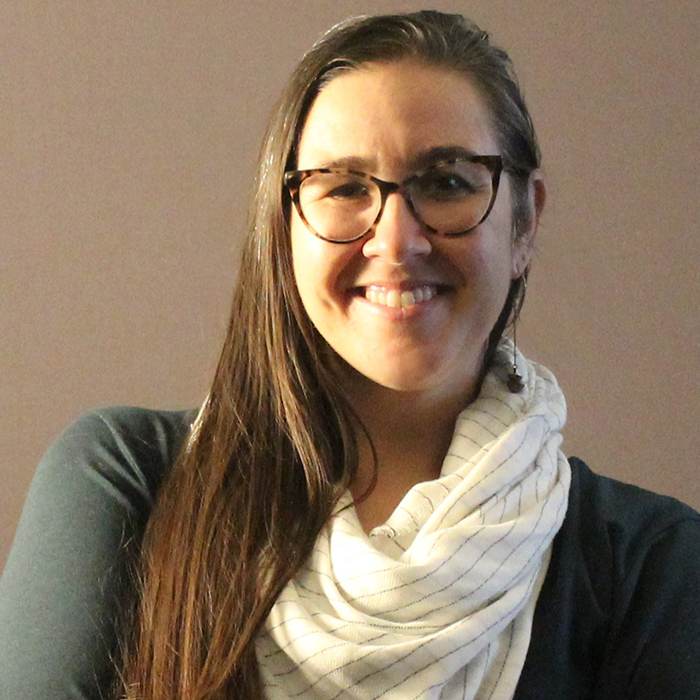 Stacey Crumbaker, ALEP, IIDA, AIA Assoc, Associate Principal, Mahlum
Practicing at the intersection of architecture and interiors, Stacey grounds her approach in human experience and community voice. With 19 years of experience, she focuses on innovative learning spaces and is an Accredited Learning Environments Planner with Mahlum. She advocates for co-creation as a pathway to meaningful architectural experiences, fostering connections through community engagement. Stacey serves as President-Elect of the IIDA International Board and Director of DEI for the Washington State A4LE Chapter.
 Mark Bryan, Futurist; Senior Foresight Manager, Future Today Strategy Group
What makes Mark Bryan one of the world’s leading futurists is his proven mastery of advising organizations on the trends and technologies that will disrupt their industries and his inventive approaches for adapting to an ever-evolving business environment. As the senior foresight manager at the Future Today Strategy Group (FTSG), a leading foresight and strategy firm founded by world-renowned futurist Amy Webb, Bryan supports leaders and their organizations in developing and implementing customized, forward-looking strategies that position them years ahead of their competitors and expedite their journeys to their desired futures.
Bryan leads FTI’s Built Environment, Hospitality, Retail, Restaurants, Supply Chain, Manufacturing, and CPG practices. His portfolio of clients includes national foundations, global CPG companies, international associations, product manufacturers, international retail brands, higher education institutions, nonprofits, multi-family developers, healthcare systems, senior living facilities, restaurants, and other large corporate clients.
Bryan has authored FTI’s Tech Trend Reports on the Built Environment, Hospitality and Restaurants, Manufacturing, Supply Chain, and Logistics sectors, creating evidence-based trends, scenarios, and strategic insights for FTI’s global clientele. His research spans a broad array of topics, including workplace culture, housing in urban settings, certifications and testing, product development cycles, parent and children’s needs, digital interactions, immersive experiences, geographic cities, urban planning, and emerging technologies impact on various industries and sectors. Notably, he has developed whitepapers on co-living strategies, distance learning, and senior living facilities.
With a dynamic speaking style and an uncanny ability to explain and apply complex concepts in a way that resonates clearly with groups, Bryan has become a sought-after speaker, most recently presenting at the SXSW Conference on how strategic foresight can be leveraged within businesses and organizations. Exclusively represented by Leading Authorities speakers bureau, Bryan leads mind-bending conversations that focus on the principles of psychology, culture, and human behavior shaping the future of business.
Bryan’s insights have been published in Forbes, Fast Company, and other leading business media outlets, further solidifying his thought leadership in the future of business and innovation. Bryan’s thought leadership on the future of business, work, and everyday life is regarded as highly authoritative by respected leaders, influencers, and publications. The recipient of two 2022 “40 Under 40” awards, Bryan is a founding member of the International Interior Design Association Equity Council and a National Council for Interior Design Qualification certified senior interior designer. He is certified by the University of California, Berkeley in using resiliency to combat stress at work and has used those learnings to help develop research on spaces that combat workplace burnout.
|
| WEDNESDAY, MAY 14, 2025 | 1:00 – 2:00 PM |
| [re]Visioning Changing Spaces to Get Ready for Physical Education and Athletics: Supporting Student Learning, Well-being, and Safety |
|
Venice 1
The ‘locker room’ is a deeply ingrained facet of school culture, and for many young learners, changing out for PE and Athletics can be a source of daily stress. Long associated with hierarchies of strength, competition, and vulnerability, these spaces have historically been places of both camaraderie and exclusion. Emerging research shows that nearly 50% of students feel uncomfortable changing for PE, and for gender expansive learners, the risk of harassment or opting out of physical activity altogether is likely even higher. Despite progress in inclusive toilet room design, spaces to get ready for physical education lag behind – trapped by common spatial patterns often reinforcing the gender binary, lacking individual privacy options, and failing to support the full spectrum of learning needs today. This session explores the evolving cultural context and the physical, emotional, and social needs of middle school learners using changing spaces for physical education and athletics at Edmonds School District. As the district works to align new middle school buildings with policies supporting gender-inclusive students and fostering safe, supportive learning environments, they challenged their design teams with rethinking these spaces to better serve all students and prevent harassment, intimidation, and bullying. Hear directly from students, capital project leadership, and the design teams about their experiences and perspectives exploring new approaches to creating more inclusive and adaptable changing settings. Together we asked ourselves: How can we reimagine changing spaces to better foster peer connection, support team building, and ensure every student feels safe and respected? Grounding our process in community voice, NAC and Mahlum worked together to create a collaborative engagement process aimed at gathering insights from students, parents/guardians, and educators. Engagement strategies included a district-wide survey, workshops, focus groups, and project tours to gauge broad perceptions of both existing locker room spaces, as well as new ideas for single occupant changing and shared locker areas. Presenters will share critical insights learned through the process and how they informed the development of design strategies for new middle school buildings. Students will join the conversation to share their perspective alongside capital project leadership and members of the design teams to offer a comprehensive perspective of how facilities can be improved to better serve all learners.
Key insights from engagement lead to design considerations focused on:
- Learning and Connection: Fostering peer to peer interaction and team building
- Access: Providing openness, variety, and choice
- Safety: Ensuring appropriate supervision and creating a shared sense of ownership
- Privacy: Defining what can be seen and heard
Critical to successful space change, engagement insights also uncovered the need for community education and communication tools to help students, staff, and families establish new social norms to ensure inclusive, adaptable solutions work in practice. By integrating these critical considerations into the capital project planning process, schools can move beyond traditional models and create future-focused physical education and athletic facilities that reflect the evolving needs of today’s learners while fostering well-being, safety, and dignity.
Learning Objectives:
- Explore the evolving cultural context of changing spaces that support physical education and athletic learning settings in middle school to understand the physical, emotional, and social needs of learners using them and how inclusive design strategies may positively impact the overall learning experience.
- Hear directly from learners involved in the engagement process and capital project leadership charged to align school facilities to board policies supporting gender inclusive schools and prohibiting harassment, intimidation and bullying to promote wellbeing and safety for all students.
- Identify engagement strategies to uncover student, parent/guardian, and educator perspectives on changing spaces and integrate insights into design strategies exploring the challenges and benefits of inclusive design approaches in two new middle schools for Edmonds School District.
- Examine how inclusive design strategies for changing spaces can address student safety and mental health, by fostering environments that prevent harassment, intimidation, and bullying while ensuring appropriate supervision, privacy, and accessibility for all learners.
Stacey Crumbaker, ALEP, IIDA, AIA Assoc, Associate Principal, Mahlum
Practicing at the intersection of architecture and interiors, Stacey grounds her approach in human experience and community voice. With 19 years of experience, she focuses on innovative learning spaces and is an Accredited Learning Environments Planner with Mahlum. She advocates for co-creation as a pathway to meaningful architectural experiences, fostering connections through community engagement. Stacey serves as President-Elect of the IIDA International Board and Director of DEI for the Washington State A4LE Chapter.
 Ann Vacek, AIA, WELL AP, Senior Associate, NAC
Ann is a lifelong learner with a deep passion for educational facility design and planning, bringing over 10 years of experience to her role at NAC. She is the co-author of Inclusive Design for Special Education: Best Practices for Learning Facilities and is particularly interested in exploring the intersection of active learning environments and promoting students’ well-being. Ann holds both a Master of Architecture and a Master of Urban Design from Arizona State University.
 Laura Bowers, Manager-Design & Construction, Edmonds School District
Laura joined the Edmonds School District in 2015. She serves as Design and Construction Manager and is currently overseeing the replacement of Oak Heights Elementary, College Place Elementary, and College Place Middle Schools. Drawing from experience in GC/CM projects, past projects include Mountlake Terrace Elementary, Lynnwood Elementary, and Spruce Elementary. Laura holds a Bachelor of Architecture and a Certificate in Construction Management from the University of Washington. Previously, she worked in hospital design planning.
|
| Interactive Carbon Roadmap Dashboards |
|
Venice 2
This panel presentation will focus on interactive tools which constituents can use to track performance and reassess strategies to achieve a school district’s climate action and sustainability goals. School districts are increasingly adopting commitments to reduce carbon and plan for sustainability, which are translating into specific targets as part of long-range and bond planning and investments in facilities and operational improvements. With rapid changes to technology and market conditions the priorities and timelines identified in the roadmaps can often become dated before the next planning cycle. Carbon and sustainability roadmaps can allow for districts to adjust their implementation strategies and timelines while maintaining their sustainability commitments. Interactive online dashboards can provide agility in decision-making and allow for new priorities to be tested. The tools can provide detailed data insights for a targeted audience such as operations staff to make decisions about critical infrastructure improvements. Other dashboards can be used for planning purposes and oriented for a wider audience.
This panel presentation will explore two case studies of interactive tools that school districts can leverage for decision making on the implementation of carbon reduction priorities.
Portland Public Schools / PAE / New Buildings Institute – The Decarbonization Roadmap led by PAE and supported by New Buildings Institute outlines detailed measures that the district must accomplish in the next few decades to reach the PPS Climate Action Plan goal of zero carbon. An interactive back-end tool delivered to the District provides PPS a way to analyze various planning scenarios and plan future Bond work. This analysis also incorporated health and equity impacts into its decision-making process.
- Ruwan Jayaweera, PE, LEED AP, Senior Principal, PAE
- Reilly Loveland Falvey, Associate Director, New Buildings Institute
Bainbridge Island School District (BISD) / Mithun / PAE – The BISD Sustainability Dashboard provides an easily accessible planning tool to consider environmental priorities and benefits of future bond packages and facility improvements. The Dashboard is designed to allow for interaction by a wide array of district stakeholders to assess the operational carbon, embodied carbon and water use reductions building upon the engagement process of the Long-Range Facilities Plan update and Sustainability Framework efforts. The tool also includes an AI interface that leverages the vision, goals and priorities in the final report including BISD’s target for Net Zero Carbon by 2045.
- Ruwan Jayaweera, PE, LEED AP, Senior Principal, PAE
- Anik Alam, Computational Designer, Mithun
- Tristan King, Student, BISD
Panel Moderator: Jason Wilkinson, AIA, LEED AP BD+C, LFA, Associate Principal, Mithun
Jason is a licensed architect and consultant with 25 years of experience designing sites and buildings that are regenerative, high-performance and resilient. As Associate Principal at Mithun, Jason leads teams with an integrated design process to reduce carbon and improve health and equity outcomes. His work includes climate action plans for Bainbridge Public School District and Seattle Public Schools. Jason also volunteers with ACE Mentors and provides pro-bono design services to social justice organizations.
Learning Objectives:
- Describe the key components of a comprehensive school district climate action plan and how critical it is to hear from student voices when developing these documents.
- Explain how interactive dashboards and AI tools can engage school district constituents in a conversation on how to achieve their climate action commitments.
- Compare the types of user interfaces for carbon roadmap dashboard that support engagement with constituents that have varying requirements for access to technical data.
- Identify the back-end data and climate roadmap report contents that can support an interactive dashboard and AI interfaces.
 Ruwan Jayaweera, PE, LEED AP, Senior Principal, PAE
Ruwan is a mechanical engineer with over 25 years of experience designing sustainable, resilient buildings. As a Senior Principal at PAE, he leads teams in design and commissioning and has provided expertise for numerous passive, resilient, and Net Zero Energy projects. Ruwan is active in the community as a mentor for ACE, an A4LE Pacific NW Region Board member, a founding member of Room for More, and member of the Oregon Green Schools Committee.
 Reilly Loveland, Associate Director, New Buildings Institute
Reilly is an Associate Director at New Buildings Institute (NBI), a national non-profit organization dedicated to decarbonizing buildings. Reilly runs the Schools Initiative focusing on energy efficiency and decarbonization in schools including development of educational opportunities and resources for a better understanding of how efficient schools create optimal spaces for occupants to work, learn, and play. Reilly’s awards include USGBC Women in Green, USGBC Center for Green School’s Ambassador, and NEEA Rising Star.
 Anik Alam, Computational Designer, Mithun
Anik is a Computational Designer at Mithun, leading efforts to advance AI-driven innovation within the AEC industry. He holds a Master’s degree from the University of Washington, specializing in machine learning applications for architectural design. Anik’s research focuses on customization and integration of AI tools and models, specifically tailored to the needs of the AEC sector. He is currently spearheading initiatives at Mithun to implement large language models, making information more accessible and actionable.
 Tristan King, Student, Bainbridge Island School District
Tristan is a 17-year-old junior at Bainbridge Island High School. His academic interests include Mathematics and AP Biology with an emphasis on Marine Biology. He’s been an avid rower with the Bainbridge Island Rowing Club (BIRC) for four years and plans to pursue a rowing scholarship. Tristan is exploring several higher education opportunities including, University of Washington, UCLA, University of Hawaii, and the US Coast Guard Academy. His interests/hobbies include robotics, photography, and film.
|
| Planning & Designing for Wellness: Transforming School Cafeterias into Hubs for Health, Learning and Equity |
|
Venice 3
The design and function of school cafeterias and kitchens play a critical role in shaping students’ health, well-being, and behavior. This presentation explores the connection between student meals, nutrition education, USDA, and school environments, emphasizing how access to nutritious meals in well-designed spaces can positively impact student outcomes. Research shows that when students consume healthy meals, behavior issues decrease, and academic performance improves. Unfortunately, the importance of cafeterias and kitchens is often overlooked in educational planning and design. These spaces are not just functional; they serve as foundational environments where children learn about healthy eating habits that can last a lifetime. Attendees will gain insights into how thoughtful cafeteria and kitchen designs can promote access to nutritious meals, enhance the student experience, and support holistic health and wellness. This session will empower designers, educators, and administrators to advocate for and implement strategic designs that prioritize child nutrition and create spaces conducive to learning, eating, and thriving.
Learning Objectives:
- Understand the Role of Nutrition in Student Health and Behavior: Understanding the link between healthy student meals to improved physical health, reduced behavioral issues, and enhanced academic performance.
- Identify Key Elements of Effective Cafeteria and Kitchen Design: Learn how thoughtful design and placement of school cafeterias and kitchens can promote access to nutritious meals, encourage healthy eating habits, and support student well-being.
- Explore the Intersection of Nutrition Education and Learning Environments: Analyze how school cafeterias can serve as educational spaces where students gain practical knowledge about healthy eating and nutrition, influencing lifelong habits.
- Advocate for Holistic Approaches in Educational Space Design: Develop strategies to prioritize the integration of health, nutrition education, and equity in the planning and design of school cafeterias and kitchens, ensuring all students have access to healthy meals in a supportive environment.
Marci McGill, RDN, CSSD, LD, Senior Director, Student Nutrition, Anchorage School District
Marci has taken change to a new level at the Anchorage School District. Through Marci’s guidance and vision switching ASD from overwrapped meal service to traditional (open) service. Is showing an increase in meal participation.
Dana Menendez, Business Development Manager, Student Nutrition, Anchorage School District
Dana has learned the impacts design and construction has made on limiting the potential to maximize student meals. Dana’s background is in educational facilities planning and combining the knowledge of student meal programs has provided new insight to the needs of educational buildings in regards to meal services.
|
| Transforming Tacoma: Advancing Maritime Careers and Revitalizing the Waterway |
|
Venice 4
“Transforming Tacoma: Advancing Maritime Careers and Revitalizing the Waterway” explores the pioneering partnership between Tacoma Public Schools and the Port of Tacoma to create the innovative Maritime Skills Center. This collaboration bridges the gap between education and industry by providing high school students, from 12 school districts, with real-world training in maritime trades, preparing them for skilled, high-paying, local jobs. The project leverages a progressive design-build approach, enabling a flexible and efficient development process. By offering local students a unique pathway to complete their high school education and investing in their futures, the Maritime Skills Center is poised to become a key driver of workforce development. This presentation will highlight the design process, the strategic location along the Thea Foss Waterway, and the long-term impact on the community and workforce pipeline, offering a model for future educational infrastructure projects.
Learning Objectives:
- Recognize the importance of aligning educational programs with industry demands to ensure workforce readiness and community economic growth.
- Understand the key steps and processes involved in forming successful partnerships between educational institutions and local industries to address community needs and workforce development.
- Explore how innovative approaches to Career and Technical Education (CTE) can provide students with hands-on, real-world learning experiences directly related to the surrounding maritime industry in which the site is located.
- Examine how revitalizing underutilized areas through strategic partnerships can drive economic development, enhance community engagement, and create long-term value.
 Brian Ho, ALEP, AIA, LEED AP, DBIA, Principal, TCF Architecture
Brian leads TCF’s K-12 Educational Studio, a group specializing in the design of user-centric spaces that elevate student experience while optimizing owner investment. He is an A4LE Accredited Learning Environment Planner and DBIA member/conference presenter whose eight completed and ongoing PDB-delivered schools include the Maritime Center, an innovative waterfront learning environment featuring flexible spaces that adapt to evolving teaching methods, technologies, and practices in the realm of Career and Technical Education.
 Sheena Hewett, Associate AIA, Designer and Post Occupancy Evaluation Manager, TCF Architecture
Sheena is an Architectural Designer with a focus on positive impacts to the community. She blends her professional expertise with a dedication to nurturing future generations, inspiring both educators and students by crafting learning environments that stimulate creativity, discovery and engagement. Sheena has experience advocating for eco-friendly initiatives through work with City of Tacoma’s Climate and Sustainability Commission and volunteers with Tacoma Public Schools to teach high school students about the AEC industry. In addition, she’s a proud mom to a budding muralist and robotics enthusiast.
 Stanley Ryter, PE, PMP, Senior Project Manager, Port of Tacoma
Stan is a Senior Project Manager at the Port of Tacoma and is responsible for supervising project managers and capital projects for all types of Port Infrastructure, including wharfs, buildings, utilities and remediation. Stan is the Port's project manager for the Maritime Center, a collaborative project in development with Tacoma Public Schools which includes a new Port Headquarters, a Maritime Skills Center, parking facilities, and a waterfront promenade.
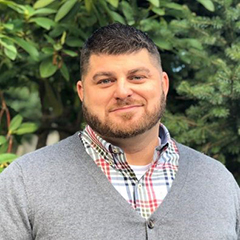 Adam Kulaas, Director of Innovative Learning and CTE, Tacoma Public Schools
With more than 25 years of dynamic experience in the field of education, Adam has a strong focus on strategic design, innovative learning solutions and program development. Expertise spans various sectors including public, private, and charter schools, with demonstrated leadership in areas such as holistic personalized learning design, Career and Technical Education (CTE), digital integration, online learning, alternative education, and K-12 school development. Adam is currently the CTE director for Tacoma Public Schools and designing the pioneering Maritime|253 Skills Center curriculum with local industry leaders.
|
| WEDNESDAY, MAY 14, 2025 | 2:15 – 3:15 PM |
| Looking Back to Look Forward: How an ADA survey of existing facilities inspired a school district to form a disability committee and create future projects that engender welcoming and belonging for all |
|
Venice 1
Combining detailed measurements and rough costing, Edmonds School District hired HKP Architects and their accessibility consultants, Studio Pacifica, to determine future steps for improving the learning environment District-wide for existing and future students, faculty, and guests. The process began with a request for a rough cost estimate to bring all of the District buildings in compliance with the ADA. The scale and scope of this request was daunting given the pre-ADA vintage of many facilities, the exacting nature of compliant dimensions, lack of up-to-date “as-built” drawings, schedule, budget, and the need for the buildings to be unoccupied during a survey. Pulling the Owner, Architect, and Consultants together, a thoughtful plan was created where select buildings would be surveyed in-depth and costed, then the results would be tactically applied to the non-surveyed buildings to establish projected costs. The compiled report has now created a direction forward for the District, not only for how to address budgeting for renovating their current buildings but also as a basis for the idea of Accessibility Commissioning, empowering the District to collaborate with their consultants to create projects that not only meet accessibility codes but also engender welcoming and belonging for all.
Learning Objectives:
- Identify a process for evaluating existing school facilities for ADA compliance.
- Create actionable data for District planning and budgeting.
- Discuss the process by which the data and costs from exemplar facilities may be projected to provide costs for other District facilities.
- Show how the District will use this knowledge to improve current buildings and as a basis for more holistically inclusive future buildings.
 Brian Poppe, AIA, LEED AP, Associate DBIA™, Partner, HKP Architects
A Partner at HKP Architects, Brian has led many civic projects with an eye towards efficiency, effectiveness, function, and durability. He believes that the civic work HKP does truly builds the foundations for our communities and that our focus on sustainability can help public institutions lead by example to lessen our collective impact on the environment. Brian’s deliberative nature helps to break down complex projects and find interesting solutions to challenging opportunities.
 Becca Wolfe, AIA, Architect, HKP Architects
Becca, who hails from Anchorage, has built up a diverse architecture portfolio during her years in Alaska, Finland, Montana, desert California, and now Northwest Washington with HKP Architects. As a project manager and architect, licensed in both Washington and Alaska, she is driven by community-oriented work and strives towards a built environment that equitably uplifts the people it serves.
 Taine Wilton, ALEP, AIA, LEED AP, Director of Capital Projects, Edmonds School District
As Director of Capital Projects, Taine shapes learning environments that inspire and support students. Her extensive expertise and passion for student-centered design makes her a valuable advocate for educational facilities. Taine’s leadership prioritizes student well-being, incorporating nature-inspired spaces. She is a UW graduate, Accredited Learning Environment Planner, and LEED AP. She volunteers on the Edmonds School District Disability Advisory Council, A4LE PNW Regional board, WA State CPARB Project Review Committee, and OSPI Technical Advisory Committee.
 Joyce Wheeler, Project Manager, Studio Pacifica + Shelton Ensley, AIA, Accessibility Specialist, Studio Pacifica
Joyce is the project management lead for Studio Pacifica. Primary responsibilities include scheduling, contracts, in-house projects, on-site walk-throughs and project documentation. Joyce’s experience with students with disabilities and athletes in adaptive sports broadly contributes to Studio Pacifica’s strength. Shelton brings a wealth of architectural experience to Studio Pacifica. Prior to joining their team, Shelton was the founding principal of a design firm in California that provided architecture, interior design, landscape planning, and project management services.
|
| Alki Elementary Schools: Lessons from a 3-Story Mass Timber School in Seattle |
|
Venice 2
Seattle’s first 3-story full mass timber elementary school, Alki, is well underway. With the mass timber superstructure complete, it is an ideal time to reflect on the benefits and shortcomings of this new timber material for school environments. Has the excitement around mass timber lived up to expectations, delivering faster construction with reduced noise and site disruption? Will exposed cross-laminated timber and glued-laminated timber foster a more welcoming, inclusive, and engaging learning space - one that cultivates a sense of belonging, curiosity, and wonder? A panel of experts, including representatives from the Seattle Public Schools, Mahlum Architects, and Cornerstone General Contractors will examine the opportunities and challenges of mass timber in K-12 school construction. The discussion will cover cost considerations, constructability advantages, environmental performance, carbon reduction strategies, and biophilic design’s role in enhancing student engagement and well-being. Can the materials we use to build schools make a meaningful impact on climate change, student performance, and creation of long-lived facilities? Additional key concerns related to moisture management, maintenance of exposed timber throughout the facility, and insurance will also be addressed. Is mass timber the new paradigm for K-12 schools in the Pacific Northwest, or are we just barking up the wrong tree? Please join us for an honest appraisal and lessons learned from the field.
Learning Objectives:
- Evaluate the Constructability and Cost Implications of Mass Timber: Understand the advantages and challenges of using mass timber in K-12 school construction, including construction speed, cost factors, and site logistics.
- Explore the Impact of Biophilic Design on Student Learning and Well-Being: Discuss how exposed mass timber can enhance indoor environmental quality, foster inclusivity, and create engaging learning spaces that support student well-being.
- Identify Key Maintenance, Moisture Management, and Insurance Considerations: Review best practices for maintaining exposed timber, addressing moisture risks, and navigating insurance challenges associated with mass timber construction.
- Analyze the Environmental and Carbon Reduction Benefits: Examine how mass timber contributes to reducing embodied carbon, and its role in sustainable school design.
 Joe Mayo, AIA, LEED AP, Associate Principal, Mahlum Architects
Joe, an advocate for biophilic, low carbon school design, is a Seattle architect at Mahlum and author of the book Solid Wood: Mass Timber Architecture, Technology and Design, the first English language book devoted exclusively to multi-story institutional mass timber buildings. He’s worked on a dozen mass timber projects, including the first installation of U.S. produced CLT, the first use of CLT in a Washington K-12 school, and among the first 3-and 4-story mass timber schools in Washington.
 Brian Gerich, AIA, LEEP AP, Associate, Mahlum Architects
Brian is a project designer with Mahlum Architects and has dedicated the majority of his career to designing spaces for learners of all ages and abilities. His holistic focus, influenced by dual Masters in Architecture and Landscape Architecture, is applied to understanding the site from an integrated design approach, with a focus on occupant well-being and sustainable systems.
 Vince Gonzales, Senior Project Manager, Seattle Public Schools
Vince is a Senior Project Manager for Seattle Public Schools. He has over 25 years of experience as a design professional and Owner representative. Prior to his position at Seattle Public Schools, Vince has worked on several K-12, Higher Education and Multi-family buildings. In the past five years he has gained great knowledge and experience through oversight of three mass timber projects at SPS. He believes this type of construction has a biophilic impact effect by elevating educational spaces, while improving occupants’ mood, health, and productivity.
 Max Anderson, Chief Estimator, Cornerstone General Contractors
Max brings over 15 years of experience constructing complex educational facilities, including over 30 projects. Max’s expertise is bolstered by an exceptional understanding of historical cost data, local market trends and other factors influencing cost. Max’s passion for new and emerging building technologies, mass timber, and his familiarity with the diverse program requirements on K-12 projects enables him to maximize value for end-users by providing accurate and reliable cost feedback at all stages of design.
|
| Little Learners, Big Impact: Play, Pedagogy, and Possibilities |
|
Venice 3
Designing for the future of learning begins with a deep understanding of the needs of our littlest learners as at the start of their educational journey. The experiences children have during early childhood – from birth to eight – establish the foundation for later learning and relationships. Outside of the home, the most time children have to establish this foundation is at daycare and school. We have a responsibility to create spaces for children that support and expand their growth and development. Both Montessori and the schools of Reggio Emilia refer to the environment as the "third teacher,” and in this session we will explore the ways in which intentional design can support learning in all domains and support student agency. Thoughtfully crafted environments also provide psychological and physical safety, while flexible spaces allow educators to respond to individual learning styles and adapt to evolving conditions and pedagogical approaches. Francesca will share her experiences and present key research findings on the essential needs of early learners. Children are more likely to learn and thrive when their basic needs are met. Key needs will be highlighted including the importance of feeling safe and secure, opportunities for agency and self-directed learning, and the connections to both their peers and nature. Early learners require these for emotional and cognitive growth. Learning is not a one-size-fits-all experience, and the design of educational spaces must reflect this by being adaptable to diverse learning styles and evolving pedagogical approaches. Mithun will use case studies to show and discuss how thoughtfully designed spaces can either facilitate or obstruct everyday learning. Finally, this session we will look at how the principles of early childhood education intersect with those of elementary education, bridging the gap between early learning and the transition to later grades. By understanding the overlap between these stages, we can ensure that educational spaces not only support the youngest learners but also lay a strong foundation for continued growth and success through their educational journey. This session will provide actionable insights for designers, educators, and administrators looking to create spaces that inspire, support, and engage students from the very beginning of their learning experience.
Learning Objectives:
- Identify the links between responsive and flexible education space design and student engagement, excitement, learning, focus, wellbeing, autonomy and agency, accessibility and community.
- Describe the needs of the littlest of learners including: safety/security, risk-taking, relationship with technology, agency, flexibility, connections to nature, and importance of relationships.
- Discover how spaces can support and meet the needs as described above.
- Explore the overlap of these early learning principles with elementary education principles, bridging learning through ages 3-8.
 Francesca Gallozzi, Acting Head of School, National Child Research Center, Washington, D.C.
Francesca is the Acting Head of School for the National Child Research Center in Washington, D.C . an early childhood inclusion program. Prior to joining NCRC, she held a number of roles in education across the country: teacher, program leader, parent educator, and professor of early childhood. Francesca provides expertise in the areas of design, leadership, and curriculum for early childhood and elementary programs.
 Richard Franko, FAIA, Partner, Mithun
Rich brings experience in the design leadership of schools, children’s museums and environmental education centers to the core issues of creating learning environments. He has lectured internationally on integrated design strategies, for optimizing sustainable performance, learning potential and place based design.
 JoAnn Wilcox, AIA, Partner, Mithun
JoAnn combines sensitive listening and agile problem-solving skills to craft innovative and rigorous learning environments that influence national education design and has been recognized with more than 60 awards for design excellence. Her practice is focused on design for life-long learning with a specialty in K12, collaborating closely with students and educators to co-create learning environments that amplify curriculum, maximize resources, foster community belonging, strengthen student agency and uplift learning outcomes.
 Emily Everett, NCARB, Mithun
Emily’s architectural experience is highly concentrated in PS-12 education. Her knowledge spans the full design process from client engagement, programming development, coordinating a consultant team, detailing, permitting, to overseeing construction. She believes that school environments can have an enduring impact on students' growth. And, by designing equitable, healthy and sustainable school spaces, children have the best chance to foster imagination, encourage experimentation and achieve success.
|
| Best Practices for Bond Planning and Promotion in Washington State |
|
Venice 4
We will provide a detailed guide to the legal framework and best practices in bond planning and promotion for school districts and community-based foundations in Washington State. Attendees will gain a clear understanding of the uniquely distinct rules and regulations governing bond measures for these two types of organizations. For school districts, we will cover the specific legal requirements, including the need for voter approval, the supermajority requirement for bond passage and proposals challenging that during the current legislative session, and the pre-ballot approval process. In contrast, community-based organizations face different regulatory challenges and opportunities when promoting bond measures. We will explore how these organizations can effectively collaborate with school districts to support bond initiatives. The session will highlight key dates and deadlines crucial for successful bond planning and promotion. Attendees will learn about effective district activities and community outreach strategies that can help build support for bond measures by examining real-world examples and case studies. We will discuss key strategies used in the successful bond campaign run by the Sumner-Bonney Lake School District in November 2024, and share tips and tricks from the campaign, providing attendees with actionable strategies and lessons learned. Whether you are a school district administrator, an architect, an engineer, or a community foundation leader, this presentation will equip you with the knowledge and strategies needed to navigate the complexities of bond planning and promotion, ultimately leading to improved educational facilities and stronger community support.
Learning Objectives:
- Understand the legal distinctions between bond promotion for school districts and community-based organizations in Washington State.
- Identify key dates and deadlines critical to successful bond planning and promotion.
- Explore effective district activities and community outreach strategies to garner support for bond measures.
- Develop a comprehensive bond promotion plan that aligns with legal requirements and maximizes community engagement.
 Benjamin Fields, McGranahanPBK
As a holistic educational planner for district-wide projects, Ben brings a strong focus on creating meaningful educational environments. He excels at establishing clear scopes of service, refining project approaches, and fostering collaborative relationships. His expertise in facilitating an inclusive planning process ensures alignment with district-wide goals, delivering spaces that not only serve functional needs but also enhance the daily lives of students, families, teachers, and the broader community. Ben is deeply committed to leaving a legacy of engagement, beauty, and positive impact with every project he undertakes.
 Sheleah Reed, APR, Director, PreK-12 Engagement & Partnerships, PBK
With 20+ years in strategic communications, partnership development, and advocacy, Sheleah excels in the education sector. As Director of K-12 Engagements & Partnerships, she supports districts in long-range planning, communications, and enhancing community ties. As former Chief of Staff at Aldine ISD, Sheleah developed two strategic plans, strengthened the brand, and mobilized a $1.8 billion bond package. She also worked in Houston and Spring ISDs, translating strategies into actionable plans and building strong community partnerships.
 Marina Tanay, Director of Capital Projects, Sumner-Bonney Lake School District
Marina is the Capital Projects/Facilities Manager for the Sumner-Bonney Lake School District, where she manages the district’s capital program. Marina served as President of the Washington Association of Maintenance & Operations Administrators from 2019-2022, where her leadership efforts included legislative advocacy and supporting school facility professionals in their mission to create safe, healthy and comfortable learning environments in districts across the state. Outside of work, Marina is an avid golfer and quilter and tries to keep pace with her retired husband on travel adventures.
|
| THURSDAY, MAY 15, 2025 | 9:30 – 10:30 AM |
| Spaces for All: Gender Inclusive Design Beyond Bathrooms |
|
Venice 1
Designers, administrators, and educators alike have the power to create spaces that support the health and wellbeing of all students, especially those who hold marginalized identities. In 2025, 381 bills have been introduced across the country attacking the rights of transgender and nonbinary people, 14 of which are federal. As of writing this, Washington state has 7 bills introduced, 5 of which directly attack the rights of LGBTQ+ youth. While the built environment cannot solve these rampant anti-trans attacks against our kids, it does play a role in upholding binary and oppressive systems. Designers, administrators, and educators alike have the power to create spaces that support the health and wellbeing of all students, especially those who hold marginalized identities. Now more than ever, using data driven design principles and improving upon our planning processes has the ability to provide safer, more inclusive environments. This talk will specifically center the voices of transgender, nonbinary, gender nonconforming and queer communities through an international survey and touch on topics such as building for physical safety, decentering binary ideas of gender in space, and introduce opportunities for intervention in conventional design processes.
Learning Objectives:
- Discussion on the history of the movement for trans-exclusionary spaces and how this directly impacts K-12 education spaces as well as the health, safety, and wellbeing of all students.
- Create a shared vernacular for meaningful connection with the LGBTQ+ community to enhance engagement and understanding.
- Introduce learnings from an international survey centering the lived experience of trans, nonbinary, gender nonconforming people in built spaces and discover spatial characteristics of gender inclusive design beyond bathrooms. In addition, qualitative data from K-12 specific students to better understand the needs of those we serve.
- Provide examples of translating learnings into the built environment by analyzing case studies that support survey findings as well as spaces that could be enhanced for better gender inclusivity.
 Elizabeth Hearn, IIDA, Partner, Interior Designer, Mithun
Elizabeth’s commitment to creating compelling living and learning environments is evident in her design work for students of all ages. She brings extensive knowledge of educational design and a passion for using sustainable materials and resiliency strategies, including research into sensory experiences and how people move through daily. She speaks nationally on issues such as wellness, inclusive, and biophilic design—the importance of bringing natural elements into architecture—as well as on creating community.
 K Kaczmarek, Associate, Interior Designer, Mithun
K is an interior designer who designs spaces by first considering the people who will interact with and use them. He works collaboratively with architects and built environment teams to create beautiful, barrier-free and inclusive spaces. K is passionate about equitable design. K is currently working on a group R+D project, "Designing Beyond the Binary: A Radical Reimagining of Space" which explores how designers can help create safer, more welcoming spaces for Trans, ENBY and GNC folks.
 Matt Lai, J.D., Upper School Director, The Bush School
Matt is the Upper School Director at The Bush School. During his 20-year career in education, he has served as a Director of Enrollment Management, Director of Financial Aid, Dean of Students, Dean of Residential Life, teacher, and coach at schools in the San Francisco Bay Area and Seattle. Prior to his career in education, Matt was a corporate litigation attorney. He holds a B.A. in Science, Technology & Society and M.A. in Sociology from Stanford University and a J.D. from Columbia Law School.
|
| We Are the Future; Student Sustainability Ambassadors Lead by Example |
|
Venice 2
We are the future! A panel of high school student Sustainability Ambassadors will share how they are serving their communities through impact project design, impact data tracking, and impact storying, Trained as project managers, community organizers, and inspired communicators, students lead individual, school, and community impact campaigns aligned with their respective City Climate Action Plans. In several districts, Ambassadors have been instrumental in persuading their school boards to adopt a sustainability plan that parallels their City Climate Action Plan, mandates educating for sustainability, and integrates Green Jobs Youth Pathways. In this breakout session, students will spotlight current projects including Energy Conservation, Decarbonization, Heat Pumps, Go Solar, Green School Building Case Studies, School vs School Carbon Commute Count Campaigns, and the Bigger, Better, Beautiful, Bike Rack Design Challenge. Through lively Q&A, students will engage A4LE members in refining and replicating this work in more schools, districts, and cities building collective impact across our bioregion. For more information on Sustainability Ambassadors, visit our website: www.sustainabilityambassadors.org.
Learning Objectives:
- Review the mission, training approach, and community outcomes for Sustainability Ambassadors’ Youth Leadership Development Program.
- Analyze the relationship between school district sustainability plans, city climate action plans, educating for sustainability, and youth voice.
- Identify opportunities to develop green school case studies that support engineering design thinking in the classroom.
- Integrate Green Jobs Youth Pathways with the workforce development goals of your organization.
 Peter Donaldson, Director of Learning, Sustainability Ambassadors
Peter is a strategic storyteller with over 40 years of experience in performance art, public speaking, curriculum design, and community facilitation. He is the Director of Learning for Sustainability Ambassadors, coaching student leaders, teacher leaders, and community leaders on how to advance collective impact strategies, design problem-based learning curriculum, and support sustainable systems thinking at the intersection between classroom learning and community goals, especially city and county climate action plans.
Kylie Shulman 2025, Eva Odderson 2025, Belle Marlar 2025, Marianna Makowska 2025, Dila Ertem 2025, Mehr Poddar 2026, Akshara Srinivas 2027, Ela Hanif 2027, Raghav Chaturvedi 2028
Through a year-round professional development program, highly motivated, self-directed student Ambassadors receive training in impact project design, impact data tracking, and impact storytelling. They engage peers, parents, teachers, professionals and policymakers in rapidly advancing a sustainable future with a focus on local climate actions.
|
| Clean Energy, Resilience, and Workforce Development with Tribal Communities |
|
Venice 3
This presentation highlights the connections between design, education, and community engagement with the Lummi Nation microgrid project development, including internship program integration for career pathways. As recipients of a Department of Energy clean energy grant, the Lummi Nation are implementing 5 microgrid systems to support energy resilience, cost savings, environmental stewardship, and tribal sovereignty. As a component of the project, several interns will be trained on renewable energy system design, battery energy storage system deployment, and microgrid modeling, in conjunction with each microgrid system’s installation. Working with Northwest Indian College (NWIC) and Lummi Nation School, Sazan Group led by tribal program manager Sean Lawrence, a Lummi Tribal member, are advancing the Tribe's Strategic Energy Plan (SEP), while engaging the community on energy resilience planning and educational opportunities for workforce development.
Learning Objectives:
- Learn more about strategic energy planning, and how community engagement factors into facility upgrades for tribal and indigenous communities.
- Develop an understanding of microgrid systems, including how solar photovoltaics (PV) and battery energy storage systems (BESS) can maintain critical infrastructure during an outage or natural disaster.
- Identify critical loads for emergency services that support community resilience and critical health infrastructure, using a critical load tiering approach.
- Gain an understanding of clean energy technology and trends that are advancing educational facility design.
 Sean Lawrence, MBA, Tribal Programs Manager, Säzän Group
Sean works as the Tribal Programs Manager at Sazan Group, interfacing with engineers, architects, contractors, and designers across a wide variety of projects. With over 10 years of experience working with and for tribal communities, Sean was recently recognized as the Top 7 Under 40 award in Whatcom County, while serving as Gaming Commission chair at Lummi, and Secretary/Treasurer of the Lummi Development Holding Company. At Säzän, Sean supports numerous tribal communities on engineering consulting projects, microgrid system installation, grant funding administration, and workforce development training programs.
 Jack Newman, Director of Clean Energy Solutions, Säzän Group
Jack is the Director of Clean Energy Solutions at Säzän Group. He is a Certified Renewable Energy Professional with more than 10 years in the clean energy industry. At Säzän Group, Jack’s work focuses on strategic energy planning, including net zero energy buildings, microgrid systems, fleet electrification, and battery energy storage solutions. His experience includes energy benchmarking, feasibility studies, utility program management, construction cost estimating, and project management.
|
| From Insight to Impact: Community-Driven Strategies for Future-Ready Schools |
|
Venice 4
When stories are at the center of school design, insight inspires impact. From teachers and administrators to students and families, embracing a community-driven approach to educational visioning and stakeholder engagement positions school districts to champion future-ready facilities that reflect their community’s unique needs, values, and aspirations. Following the passage of their 2023 bond, Renton School District asserted that their pathway from planning to design would be unified by a foundational commitment to centering stakeholder voices throughout the process. Their community’s diverse lived experiences, social identities, and educational goals would shape the vision for their reimagined high school. Through an immersive project-based case study of the new Renton High School, our multidisciplinary team will explore stakeholder outreach strategies that remove participation barriers, foster community trust through authentic engagement, and empower district leaders to serve as trusted advisors throughout the visioning process. Participants will develop a toolkit of proven practices that help translate rich tapestries of stakeholder insights into measurable guiding principles and design accountability frameworks. Together, we will illuminate how adaptable, resilient, and inclusive learning environments can emerge from visioning processes that prioritize a sense of belonging and representation—ensuring that today’s planning inspires transformative school facilities designed for tomorrow’s learners.
Learning Objectives:
- Develop a toolkit of outreach and engagement strategies designed to help project teams (including district leaders, planners/facilitators, and architects) create robust, community-specific educational visioning plans that reach diverse stakeholders, remove participation barriers, and encourage open and honest discussions that illuminate a path forward for future school facilities.
- Apply strategies to effectively identify—and empower—district leaders who will champion an inclusive approach to educational visioning, inspire buy-in among school communities, and serve as a trusted advisor to the planning and design team throughout the process.
- Explore equitable engagement strategies that promote authenticity, transparency, and trust as pathways to building meaningful connections with diverse stakeholders throughout planning and design—effectively overcoming traditionally extractive and transactional practices.
- Implement analysis strategies to effectively translate the stories, values, and insight gathered throughout the engagement phase into a series of corresponding guiding principles, design implications (conditions of satisfaction), and accountability frameworks that will serve as the foundation for project decision making.
 Octavio Gutiérrez, AIA, NOMA, Assoc. DBIA, Senior Designer, BRIC Architecture
Drawing upon over 20 years of experience in learning environment and campus design, Octavio is dedicated to integrating underrepresented communities into the design process. His approach actively engages those who are most impacted by architectural decisions yet farthest from decision-making power, ensuring their voices are foregrounded throughout the design process. Through advocacy and professional practice, Octavio champions inclusivity and representation, ultimately striving to create solutions that reflect—and respect—the diverse communities they serve.
Allison Brown, Educational Planner, BRIC Architecture
Allison is a bilingual and multicultural facilitator who brings her whole heart into the room. She has over a decade of experience in group facilitation, community engagement, and conflict transformation. As a former educator, Allison has extensive experience across local, national, and international programs. Within the K-12 education industry, she works alongside district leaders and architects to champion stakeholder engagement approaches that ensures community members feel safe, seen, and heard throughout the planning process.
 Brianne Tomlin, Senior Facilities Program Director, Capital Planning & Construction, Renton School District
Brianne works as Senior Facilities Program Director for Renton School District, having joined the Capital Planning and Construction team in 2020. Previously, she worked as an architectural project manager focused on public K-12 projects with an emphasis on complex program types and communities with unique needs. Her experience as both an architect and public agency project manager promotes a comprehensive understanding of these projects—especially around centering students, families, and staff.
|
| THURSDAY, MAY 15, 2025 | 10:45 – 11:45 AM |
| One Size Doesn’t Fit All: Implementing Inclusive Toilet Retrofits in Existing Schools |
|
Venice 1
Seattle Public Schools (SPS) is committed to creating safe, inclusive, and equitable learning environments for all students. Recognizing the role the built environment plays in creating an inclusive culture at a school, SPS Board Policy No. 3211 establishes baseline expectations for access and functionality of inclusive toilet and changing spaces to better serve students of diverse gender identities. While new SPS Buildings include single-occupant toilet room areas like many districts in the region, SPS faced growing demand for inclusive, multi-stall toilet options in existing school buildings. In response, site-based educational teams pursued well-intentioned strategies to expand access to inclusive single-occupant or multi-stall toilet areas for students. However, these ad-hoc solutions did not always provide a safe, inclusive, and respectful experience for all students. Decisions made in isolation led to inconsistency and inequity, and in some cases, modified toilet areas were closed, further limiting access for students who need them most. To ensure consistent implementation across a variety of existing conditions, SPS developed Gender Inclusive Toilet Guidelines and Space Standards, aligning design strategies with Board Policy, while establishing new patterns and behaviors for inclusive facilities. A district-level Advisory Group was assembled, bringing together representatives from student health, school-based administrators, risk management, safety and security, as well as facilities and maintenance, resource conservation, and capital projects and planning, ensuring a broad, multidisciplinary perspective in decision-making. Deepening this effort, a robust engagement process at the building level gathered direct input from students and staff across multiple schools and grade levels. Their firsthand experiences, concerns, and priorities helped shape the Guidelines and Space Standards, ensuring they addressed real challenges in existing facilities.
Through this process, three priority considerations emerged: safety, privacy, and access. The Guidelines and Standards offer a structured framework to help the district and school-based teams navigate potential toilet room upgrades based on their unique building conditions. At the heart of this approach is a “Kit-of-Parts” – a standardized set of six key intervention areas: access, entry, enclosure, hygiene, systems, and signage. Recognizing that one size fits all solutions do not work, the Kit-of-Parts outlines scalable interventions, allowing schools to prioritize good, better, and best modifications based on budget, timeline, and the specific conditions of each building. This approach ensures that schools can gradually implement meaningful upgrades that meet current accessibility standards, enhance supervision, and promote gender inclusivity, while working within the constraints of existing layouts and infrastructure. Building on previously tested strategies, SPS has applied variations of these approaches across multiple schools, refining the guidelines and priorities through real-world interventions. These efforts have also informed levy planning, ensuring a cohesive, district-wide approach to future toilet room retrofits and improvements. Presenters will share insights from multiple stakeholder perspectives, highlighting the collaborative process that informed decision-making. This discussion will offer effective, replicable strategies for aligning design decisions with district goals to create equitable, inclusive, and safe environments for students, staff, and the community. Join the conversation with Seattle Public Schools’ Capital Projects Director and the design firm that partnered with the district to develop the Gender Inclusive Toilet and Changing Spaces Guidelines & Standards.
Learning Objectives:
- Explore six critical areas of intervention – access, entry, enclosure, hygiene, systems, and signage – for implementing safe and inclusive toilet design strategies.
- Identify scalable retrofit strategies that align with district-wide engagement findings, supporting inclusive toilet areas in existing school buildings.
- Develop assessment strategies to guide infrastructure interventions, manage construction costs, and ensure building code compliance, and incorporate toilet room upgrades into levy and bond planning.
- Understand the role of community education and communication in supporting school culture shifts before, during, and after toilet space changes, ensuring safe and respectful engagement from students, families, and staff.
 Corrie Rosen, AIA, LEED AP, Partner, Mahlum Architects
Corrie co-leads Mahlum’s K-12 practice and works with school clients to better understand the technical and organizational issues affecting education and the needs of learners. Her expertise in educational facilities design and technical strategies has been honed over 24 years of practice. She is committed to enhancing the public’s understanding of architecture and makes social outreach an integral part of her practice. Her projects empower students to effect positive change in their school and community.
 Richard Best, Executive Director of Capital Projects, Planning, and Facilities Operations, Seattle Public Schools
Richard is Seattle Public Schools’ Executive Director of Capital Projects, Planning, and Facilities Operations, a role that includes development and oversight for the district’s multi-million-dollar capital levies. He emphasizes creating schools that are contextually appropriate and respectful of their surrounding neighborhood and incorporate energy conservation measures through the implementation of passive strategies and then active systems — while remaining laser-focused on the district’s mission to position all students for academic success.
|
| Future-Ready Architecture: Building Resilience in Education |
|
Venice 2
This interactive session unites educators, district planners, and industry professionals in an immersive exploration of future-ready architecture focused on resilience in three key areas: human, financial, and infrastructure. With pressing challenges like climate change, adverse weather events, and wildfires at our doorstep, it’s imperative to reimagine how buildings can adapt, how students, teachers, and communities can thrive, and how we assess risk to thoughtfully fund capital plans. Participants will engage in interactive activities and collaborate in small group discussions to pinpoint key district challenges, express concerns, and explore innovative solutions. These cross-sector interactions are designed to cultivate strategic networks and develop actionable plans to navigate future uncertainties effectively. Join us and your colleagues in crafting a vision for resilient educational environments that will thrive in tomorrow’s world.
Learning Objectives:
- Detail the primary environmental and economic challenges facing school infrastructure and communities, including climate change impacts, financial constraints, and community well-being.
- Investigate strategies and technologies for designing resilient and future-ready educational facilities that cater to diverse community needs.
- Discuss and evaluate approaches to ensure fiscally responsible investments in school infrastructure that prioritize sustainability and long-term value.
- Participate in cross-sector collaboration between educators, district planners, and AEC professionals to generate actionable ideas for resilient and sustainable school environments.
 Shona Bose, AIA, LEED AP BD+C, Firmwide Director of Sustainability, McGranahanPBK
With 13+ years of experience, Shona is dedicated to transforming educational spaces through innovative, sustainable, and inclusive architecture. She has worked with school districts on both new construction and renovation projects, developing a deep understanding of how to meet the evolving needs of educational communities. As Firmwide Director of Sustainability, Shona’s work focuses on integrating sustainable technologies and developing resilient and welcoming environments, ensuring that educational facilities meet today’s demands while preparing for tomorrow’s challenges.
Sheleah Reed, APR, Director, PreK-12 Engagement & Partnerships, PBK
With 20+ years in strategic communications, partnership development, and advocacy, Sheleah excels in the education sector. As Director of K-12 Engagements & Partnerships, she supports districts in long-range planning, communications, and enhancing community ties. As former Chief of Staff at Aldine ISD, Sheleah developed two strategic plans, strengthened the brand, and mobilized a $1.8 billion bond package. She also worked in Houston and Spring ISDs, translating strategies into actionable plans and building strong community partnerships.
 Melissa Turnbaugh, Firmwide PreK-12 Market Leader, PBK
Melissa is an architect with 18+ years of specialized expertise in the planning, design, and management of educational facilities for both public and private institutions. With her role as the Firmwide PreK-12 Market Leader, Melissa serves as a resource and advocate for research-based, student-centered, and purpose-driven learning environments. Recently she has partnered with organizations such as The Nature Conservancy, Children & Nature Network and Google to reimagine the educational environment of the future.
|
| The Future of Teaching & Learning is Teams |
|
Venice 3
The three most revolutionary things we can do in the world of education cost little to implement and nearly nothing to sustain. They include teaching in teams, thinking differently about how we use time for teaching and learning and decluttering our learning environments to support the needs of developing brains. This session will focus on teaching and learning in teams. Participants will leave this session with a renewed sense of how to form and sustain an effective team of learners, educators and community partners. Working alone does not need to be the norm for educators, and this workshop will expand your toolbox of effective experiences to grow individually and collectively as a team. Participants will engage in a creative and interactive journey from the essential elements of forming a team, being thoughtful about the size and type of teams we create while being immersed in strategies for sustaining effective teams. Each exercise facilitated by the authors of teamED includes multiple invitations to reflect upon current practices and desired future practices as educators, project teammates and community partners. We will wrap up our time together with a call to action to grow individually and collectively as teams to take on some of the world’s greatest challenges.
Learning Objectives:
- Developing foundations for effective teams.
- Developing strategies for forming teams.
- Developing strategies for sustaining teams over time.
- Understanding the facility impacts of teaching in teams.
Nick Salmon, Facility Planner & PBL Coach, Collaborative Learning Network
Nick is the founder of the Collaborative Learning Network. He is a ninth-generation educator focused on educational facility planning, professional development of educators, and design support for future-flexible learning environments that cost less to design, build, own, operate, and maintain. He is the world’s first self-certified educational furniture whisperer- capable of coaxing the greatest potential out of the unruliest school furnishings. Nick’s global practice (6 continents, 38 countries, 42 US states) includes co-facilitating Harvard’s annual Learning Environments For Tomorrow Institute.
 Erin O’Reilly, Adjunct Professor of Education, University of Montana
Erin is a doctoral candidate and adjunct professor in Teaching and Learning at the University of Montana focused on innovative teacher preparation for the world we live in and the world we want to create. Erin is a professionally licensed educator and administrator in Montana. Her academic background includes a Bachelor of Arts in Political Science and History, Master’s in Educational Leadership, and doctoral work in Teaching and Learning.
 Mar Cano, Facilitator & Educational Coach, LearnLife
Mar is a dynamic educational professional committed to fostering social transformation through innovative learning practices. With a deep passion for lifelong, life-deep and life-wide learning, she has dedicated more than her 20-year career to advancing education on a global scale. Mar’s academic background includes two master’s degrees—one in Educational Research and Change, and another one in Representation and Construction of Cultural Identities — complementing her two degrees in Teaching English as a foreign language (EFL) and in English Philology.
|
| Building Tomorrow’s Workforce: Designing Flexible Career-Ready Spaces for the Future |
|
Venice 4
Education is undergoing a pivotal shift, with declining college enrollment, a growing labor shortage in the trades, and rapidly evolving workforce demands reshaping traditional post-secondary pathways. Rising concerns about student debt and changing perceptions of career success have led to an increasing demand for career readiness programs that provide real-world skills without the financial burden of a four-year degree. Career and Technical Education (CTE) programs offer a powerful solution—but how can districts design spaces that are both tailored to today’s workforce needs and adaptable for the unknown skills of the future? This session explores how two leading institutions—West Sound Technical Skills Center in Bremerton, WA, and Benson Polytechnic High School in Portland, OR—have tackled this challenge by reimagining CTE spaces that are flexible, future-ready, and deeply connected to industry needs. Through collaboration with business and trade partners, these schools have developed learning environments that not only equip students with relevant, hands-on experiences but also provide the adaptability needed to pivot with evolving workforce trends. The discussion will highlight the importance of hands-on, project-based learning—not just for technical skill development but also for engaging students who may not thrive in traditional stand-and-deliver instruction models. Additionally, this session will explore the evolving role of CTE, distinguishing between exploratory and preparatory models to ensure students have multiple pathways to career success. The conversation extends beyond CTE and skills centers—it’s about comprehensive career readiness. As we stand at a pivotal point in rethinking how students transition out of high school, we must create learning environments that offer choice, flexibility, and sustainable career pathways. Attendees will gain insights into how industry partnerships played a pivotal role in identifying current and future skills demands, informing curriculum development, and shaping the physical design of learning spaces. With workforce needs constantly evolving, how can schools strike the right balance between specialized training and long-term flexibility? This session will offer strategies for designing sustainable, inclusive, and resilient learning environments that support student success, workforce preparedness, and lifelong career adaptability. By embracing innovation and strategic collaboration, we can ensure today’s educational spaces are built to support the learners—and industries—of tomorrow.
Learning Objectives:
- Understand Workforce and Education Trends: Analyze the declining college enrollment rates, shifting post-high school pathways, and the growing demand for skilled trades, and explore how these trends impact the future of CTE programs and facility design.
- Explore Flexible and Future-Ready CTE Models: Examine how to develop adaptable, innovative learning environments that prepare students for both current industry needs and emerging workforce demands.
- Leverage Industry Partnerships for CTE Success: Learn how collaboration with business and trade partners can inform curriculum development, identify evolving skill requirements, and shape CTE spaces that align with real-world workforce expectations.
- Apply Best Practices in CTE Facility Design: Discover strategies for designing sustainable, inclusive, and adaptable CTE spaces that foster hands-on learning, accommodate future skills evolution, and create meaningful career pathways for students.
 Shani Watkins, Director, Association for Career Technical Education (ACTE)
Shani is a passionate advocate for career and technical education (CTE) with a strong commitment to preparing students for career success. As the former Director of West Sound Technical Skills Center (2015–2024) and principal of the Seattle Skills Center, she led innovative programs that connected students with industry opportunities and real-world skills. Shani is dedicated to overcoming barriers, fostering industry partnerships, and ensuring CTE educators are equipped to support students in an evolving workforce.
 Kiel Lundsford, LEED AP BD+C, DBIA, Senior Project Manager, Andersen Construction
Kiel is a driven construction manager with extensive experience in design development, owner representation, and master planning. As a key leader at Andersen Construction, he played a pivotal role in the design-build delivery of West Sound Technical Skills Center, ensuring the facility supports evolving career and technical education (CTE) needs. Passionate about process improvement and mentorship, Kiel is committed to creating efficient, high-performing learning environments that prepare students for future workforce demands.
 Michael Davis, AIA, Principal, Bassetti Architects
Michael is a Principal at Bassetti Architects and a leader in K-12 educational design, specializing in career and technical education (CTE) spaces. As the Design Principal for West Sound Technical Skills Center, he focused on creating adaptable, hands-on learning environments that align with evolving workforce needs. With a deep portfolio of career-readiness projects, Michael is committed to designing innovative, functional spaces that support student success and prepare schools for the future of work.
 Lydia Dominy Burns, ALEP, AIA, Principal, Bassetti Architects
Lydia is a Principal with over 25 years of experience designing K-12 learning environments. She specializes in creating inclusive, future-ready spaces that seamlessly integrate career and technical education (CTE) with academic learning. As Project Manager for the modernization of Benson Polytechnic High School, she helped shape one of Oregon’s most comprehensive CTE programs. Lydia is committed to designing adaptable, forward-thinking spaces that equip students for evolving career pathways.
|
| THURSDAY, MAY 15, 2025 | 1:30 – 2:30 PM |
| Safety + Technology + Infrastructure |
|
Venice 1
Creating a safe and dynamic learning environment is a fundamental pillar of public education. But beyond policies and procedures, how do districts strategically planned for safety through long-term capital investments and technological advancements? In this session, we’ll explore one district’s journey as they map out a 20-year plan to enhance student learning environments while adapting to the evolving landscape of physical security. From infrastructure upgrades to cutting-edge technology solutions, we’ll examine how proactive planning and strategic investments are shaping the future of safe and innovative schools. Join us for an in-depth look at the challenges, successes, and forward-thinking strategies that are redefining school safety and operations for generations to come.
Learning Objectives:
- Map the interconnectedness between capital and technology planning.
- Define the funding sources for technology investments.
- Define the different layers of security and how architecture plays a role.
- Articulate the principles of a security system.
 Robb Stanton, Executive Director of Operations (Planning & Construction) Services, Lake Stevens School District
A member of the district’s core services group, Robb’s career has evolved within the Operations team over the past 22 years. He has been responsible for developing and implementing the capital facilities plan and managing the district’s Technology Empowered strategic plan for the growing district. Robb has been actively involved with the 20-year capital facility plan that leverages the district’s investment in technology to support the operational needs.
Mike Weatherbie, Lake Stevens School District, Executive Director, Educational Technology & State Assessments
Mike’s career in education has evolved from classroom educator to middle school principal to a leader in educational technology. He currently coordinates the district’s technology department that integrates instructional technology, technology services and the district’s network. In partnership with Facilities and Operations, Mike engages in planning and implementation of Capital Tech Levy projects.
 Greg Lineberry, Safety, Security & Health Specialist, Lake Stevens School District
A former member of the Everett police department, Greg brings forth 36 years of in the field experience to guide the district in defining and implementing its safety and security posture. He is an active member in the community, working with citizens from a wide range of ages and demographic backgrounds.
 David Bultez, RCDD, OSP, Associate Principal, Hargis Engineers
David had contributed to the infrastructure planning and security upgrades for districts across Washington. He has applied his 30 years of experience to aid district in developing system solutions that align with their technology and security posture and policies. He bridged the needs between facility planning and technology to integrate first and next generation solutions.
Trish Sherman, AIA, A4LE, Associate DBIA | Principal, Dykeman Architects
Working through evolutions in physical security and the supporting architecture, Trish has guided districts throughout Western Washington in integrating enhancements into their existing operating portfolios. Her thoughtful approach has supported districts making once-in-a-generation investments as well as those with continual capital improvements to keep pace with facility demands.
|
| Enhancing Learning Environments: The Impact of Biophilic Design in Classrooms |
|
Venice 2
In this presentation, we will explore the transformative potential of biophilic design in educational environments. McGranahanPBK, in collaboration with Bethel School District and the University of Washington Tacoma, is currently conducting a research study designed to assess the impact of biophilic design principles in the classroom. This study involves the redesign of two third-grade classrooms at Roy Elementary School in Roy, WA. One classroom received updated finishes that mimicked the old classroom, while the other was enhanced with biophilic interventions, including tunable lighting, natural finishes, flexible furniture, and complex patterning. Researchers from the University of Washington Tacoma have been closely monitoring the students and staff through perception surveys and plan to analyze student grades and SBA test scores at the end of the school year. Preliminary findings suggest that biophilic design can significantly improve both learning and emotional outcomes for students. This session will provide an in-depth look at the specific design interventions used and their measurable impacts. Attendees will gain insights into how these changes can be implemented in existing classrooms without major structural modifications, making it a feasible option for many schools. By the end of this presentation, participants will be equipped with practical knowledge and strategies to advocate for and implement biophilic design in their own educational facilities, ultimately fostering healthier and more effective learning environments to support students’ well-being.
Learning Objectives:
- Understand the principles of biophilic design and their application in educational settings.
- Identify specific biophilic interventions that can be implemented in existing classrooms without significant structural changes.
- Evaluate the impact of biophilic design on student learning and emotional outcomes based on recent research findings.
- Explore practical strategies for retrofitting classrooms to incorporate biophilic elements effectively.
Benjamin Fields, ALEP, AIA, LEED BD+C, Client Executive, McGranahanPBK
As a holistic educational planner for district-wide projects, Ben brings a strong focus on creating meaningful educational environments. He excels at establishing clear scopes of service, refining project approaches, and fostering collaborative relationships. His expertise in facilitating an inclusive planning process ensures alignment with district-wide goals, delivering spaces that not only serve functional needs but also enhance the daily lives of students, families, teachers, and the broader community. Ben is deeply committed to leaving a las ng legacy of engagement, beauty, and positive impact with every project he undertakes.
 Kawena Begay, PhD, NCSP, Assistant Professor, University of Washington
Kawena is an Assistant Professor in School Psychology at the University of Washington Tacoma and a licensed psychologist. Dr. Begay has served as a teacher, counselor, school psychologist, trainer, private practice psychologist, and consultant in K-12 schools and clinics across the country. Dr. Begay is passionate about culturally responsive teaching practices and evaluation services that support student success, particularly for historically marginalized populations, and her research primarily focuses on these practices.
 Zaher Kmail, PhD, Assistant Professor, University of Washington
Dr. Kmail is an Assistant Professor of Statistics at the University of Washington Tacoma in the School of Interdisciplinary Arts and Sciences’ Division of Science and Mathematics. His general areas of research are in theoretical and applied statistics with a specialization in the design and analysis of experiments. His current research focuses on causal structure modeling, optimal design and its applications, multivariate analysis, and mathematics and statistics education. In addition to applied statistics, Dr. Kmail has published in a wide variety of fields including agronomy, engineering education, special education, student success in higher education, nursing, medicine, and environmental chemistry.
|
| How Aging Schools Can be Modernized to Support Future Generations |
|
Venice 3
As construction costs continue to rise and the impacts of climate change intensify, there is increasing pressure to re-use existing school buildings. However, many existing schools were not planned to serve the needs of contemporary learners. How can existing schools be modernized to adapt to changing programmatic needs, reduce their environmental footprint, and build community to support future generations? This session will demonstrate the value of re-using existing buildings and the positive outcomes that can result through the lens of the Bellevue Big Picture School Modernization and other supporting project examples. Bellevue School District challenged the Design Team to transform an aging elementary school into a vibrant new home for middle schoolers and high schoolers while meeting their aspirational sustainability goals of reducing operational energy use. The Design Team introduced carbon reduction metrics to the District and reduced the embodied carbon footprint of the project by 56% compared to new construction by re-using the existing building and adding a net-zero addition. The story of this transformation will be shared through the perspective of the design team, the school Principal, and student representatives. Participants will gain an understanding of how design strategies employed in this project respond to the unique programmatic needs of this school’s population and project-based learning pedagogy while working within the confines of an existing structure. They will learn ways that daylighting, biophilic design, and interior material selection can be utilized to enhance the student experience and create a more equitable learning environment in existing buildings. They will also learn about considerations and challenges inherent in renovation projects and how to identify opportunities for aging buildings to be modernized to serve future generations.
Learning Objectives:
- Identify opportunities for renovating existing schools to accommodate the programmatic needs of future generations.
- Identify strategies to re-use existing buildings that reduce embodied carbon.
- Understand design strategies that can respond to the unique needs of a school’s pedagogical approach and student population within the confines of an existing building.
- Understand considerations and challenges inherent in renovation projects.
 Bryan Hollar, Associate, Mahlum Architects
Bryan is a Project Architect and Designer in Mahlum’s Portland office. He has over a decade of experience in the design of K-12 learning environments and specializes in complex renovation projects that give new life to aging buildings. He has played a key role in the modernizations of Portland’s Grant High School, Canby High School, and the Bellevue Big Picture School. Bryan looks for opportunities to improve users’ well-being through holistic design solutions that build community, address social inequity, and reduce environmental impact. Bryan is an Oregon native; he holds a Bachelor of Architecture degree from the University of Oregon and is a registered Architect in Oregon.
 Karen Wood, Associate Principal, Mahlum Architects
In her 20 years with Mahlum, Karen has worked to create innovative solutions for educational facilities at all levels. She has worked in every aspect of overall project delivery including design, construction and cost and schedule management. She thrives on building strong partnerships with clients and the design team. Her recent efforts include the Edwin Pratt Early Learning Center, Kellogg Middle School, and Bellevue Big Picture School which is redefining project-based learning for the middle school and high school level in the Bellevue School District. Karen holds a Bachelor of Architecture from the University of Virginia and a Master of Architecture from the University of Washington. She is a registered architect in Washington.
Bethany Spinler, Principal, Bellevue Big Picture School
Bethany is the principal of Bellevue Big Picture School, a 6–12th grade choice school in the Bellevue School District. As the school’s founding principal, she has been instrumental in shaping its innovative, student-centered approach in partnership with the internationally recognized Big Picture Learning network. Under her leadership, the school integrates key learner-centered design elements, including advisory programs, project-based learning, and interest-driven internships. Bethany earned B.S. in Neurobiology and an M.A. in Science Education from Cornell University. She later earned her Principal Certification from the University of Washington. A dedicated advocate for experiential and personalized learning, Bethany continues to champion educational innovation that empowers students to thrive in both academic and real-world settings.
|
| Indigenous Perspectives on Learning and Engagement – What We Can All Learn |
|
Venice 4
What can educational planners and designers learn from adopting and incorporating Indigenous perspectives and practices into the design process? With both Indigenous and non-Indigenous presenters/facilitators and school designers, this session will explore different aspects of Indigenous worldviews and practices related to understandings of place, relationships, and nature. Using that as a starting point, participants will learn about and explore distinct aspects and practices they can adopt to transform the way they engage communities and stakeholders of all ages and roles, and through that develop designs that are more truly contextual and contributory to their natural and human communities.
Culture: Many Indigenous cultures differ from European-based cultures in some fundamental ways. Common descriptors include: nonhierarchical, consensus-based, relationship building (both people & place), more measured pace of time in conversation and ideation cadence, and consideration of incorporation and consideration of multiple (seven) generations in decision-making. Indigenous cultures in general are highly land or water-based; the place in nature is not just a location, but all of its physical, living, and historical aspects are integral to identity, culture, and learning – in nature. These contribute to a design process that can be more deeply considered and more broadly contextual, with benefits to decision-making and health of people, communities, and nature. Indigenous presenters will present and demonstrate these philosophies and practices, and help participants see the direct relevance to contemporary and emerging trends in education and the design of learning environments.
Role-Playing / Avatars / Storytelling: Role-playing, adopting avatars or personas from nature, and storytelling, are important aspects of ceremonial and cultural practices – from religion and spiritual practices to the passing of vital history lessons and wisdom – amongst many Indigenous peoples. Participants will learn of a recent application of this during a pre-design exercise with students and community members in an Indigenous community. Each adopted the persona of a teacher, forest animal, plant, fish, bird, insect, etc. and then designed and critiqued design solutions from their adopted personas’ perspective. By employing storytelling, this interactive design process had surprising benefits to students and the project design. Participants will engage in an exercise replicating this process to explore the power of role-playing and storytelling to the design process.
Design in Place: What if the design was conceived, explored, and developed on the project site – in place, outdoors, in its natural setting – as Indigenous peoples, as well as early colonizers, have done since time immemorial? Participants will learn about a recent “Design on the Beach” exercise where students and family members ventured to their Indigenous community’s place of origin and the forested site of their new school to collect tools and artifacts to conceptualize, explore, and design their new school. Beyond simple immersion in nature, the contextual aspects of what the design team and students learned was unexpected in impact and type. Participants will engage in an exercise demonstrating how this design-in-place can be conducted.
Natural Connections & Considerations: The benefits to humans from establishing and nourishing interaction between the indoors and outdoors have been well documented in western science over the past two decades. It is well accepted that even casual interaction from a view or smell can have positive impacts to physiology, emotions, behavior, and learning comprehension and retention. But this is not new knowledge – it is “new” to western cultures who forgot and discarded it a long time ago in the interests of efficiency. Many Indigenous cultures continue to not just recognize the benefits of outdoor connection and learning but consider it necessary to healthy living and successful learning. Starting with the perspectives of there is no bad weather, just bad clothing, and the building is the 3rd skin, the session will explore what is needed to support outdoor learning and its inherent experiential qualities.
Learning Objectives:
- Develop greater awareness of Indigenous perspectives on relationships, time, place, and our role in the natural environment.
- Learn how the Indigenous cultural and educational practices can help us develop and improve collaborative, evidence-based, and physically and culturally contextual design processes and outcomes.
- Learn how to use specific tools and activities to incorporate Indigenous perspectives and practices into the planning and design of learning environments.
- Learn how we can design and build learning environments to support best learning practices outdoors – in addition to or instead of the now-traditional indoor environments.
 Ross Parker, ALEP, AIA, LEED AP, Senior Associate | Design Leader, BCRA
Ross is a senior architect and learning environment planner with over 25 years designing PreK-12 schools in Canada, TX, and the PNW. Three of his projects have been recognized by the MacConnell Awards committee, including one award. He has a passion for designing inclusive and culturally relevant schools that integrate students with their natural environment.
 Kas Kinkead, FSLA, PLA, Principal Emerita of Landscape Architecture and Design, Osborn Consulting
Kas is a highly experienced landscape architect with a passion for environmental sensitivity and outdoor learning. She is a recognized leader in Seattle and at the state and national levels, elevating her profession in the eyes of decision makers for sustainable practices. Kas has a passion for furthering educational practices through healthy outdoor environments focused on native plants and stewardship.
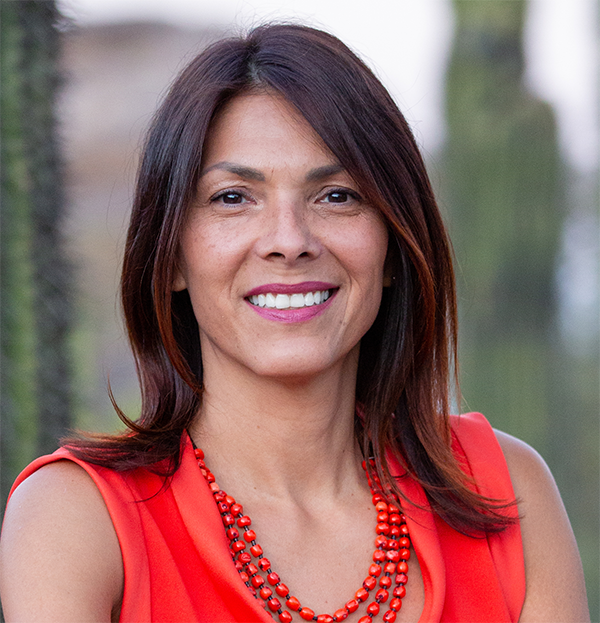 Wanda Dalla Costa, AIA, FRAIC, LEED AP, Principal, Tawaw Architecture Collective
Architect Wanda is an advocate for Indigenous peoples. She is a member of the Saddle Lake Cree Nation in Northern Alberta Canada. Her role at Tawaw is to oversee Indigenous methodologies and architectural spatial innovation. Her belief in the power of architecture to contribute to the well-being and belonging of user groups, inspires her to ‘productively disrupt’ all prototypes for cultural inclusion. Her aim is to embed lifeways, worldviews and identity into every project. With a passion for design and a keen interest in the potential of Indigenous knowledge to contribute to global transformation, she works at all scales, from custom interior elements to Indigenous landscapes. Wanda is a Director of the Indigenous Design Collaborative & Institute Professor, The Design School, at Arizona State University.
 Suzanne Donaldson, Facilitation Consultant, Owner, Donaldson Consulting
Suzanne is a member of the Cowlitz Indian Tribe and has over 23 years of experience in facilitation, community engagement, and project management, in addition to familiarity with the Pacific Northwest’s social landscape. Suzanne bridges gaps among communities, facilitating effective communication and collaboration. As a Tribal/cultural facilitator, she builds meaningful connections and partnerships by fostering mutual understanding and appreciation. Through her passion for preserving and celebrating cultural heritage, she strives to create spaces where dialogue flourishes and relationships are enriched. In providing comprehensive qualitative research services, Suzanne untangles the threads of inequality and offers valuable insights into various aspects of disparity of opportunities for historically excluded companies and individuals. Whether conducting in-depth interviews, focus groups, or content analysis, she delivers rich findings that contribute to a deeper understanding of the challenges faced by diverse populations. She advocates for equitable policies that foster a more inclusive and just society.
|
| THURSDAY, MAY 15, 2025 | 2:45 – 3:45 PM |
| Unlocking Space Potential: Aligning the Power of People, Practice, and Place in Middle School Learning Settings |
|
Venice 1
When designers, educators, and learners come together, it’s with a shared goal: to make schools better. Yet, despite inclusive design practices and growing collaboration, we continue to hear that the building itself is getting in the way of learning. Why then do we imagine a future that looks nothing like the present or past, yet continue designing schools that remain fundamentally unchanged? This issue is especially critical in middle school, where students experience key emotional, social, and cognitive transitions. Learning spaces must foster connection, creativity, and adaptability while equipping educators to prepare students for an uncertain future. Many school buildings, however, remain outdated and misaligned with modern learner-centric models, limiting their ability to support evolving educational needs. This session presents key findings from a ONEder Grant research study exploring how school buildings can better support learning now and in the future. The research team convened a multidisciplinary Advisory Group of educators, designers, academics, industry researchers, and a futurist to align research goals with emerging industry trends and real-world challenges. Drawing on insights from neuroscience, education, and design, this research focuses on advancing the design and use of learning settings for early adolescents, aged 11–15, over the next decade. Through our research, we uncovered simple yet transformative insights:
- Inertia is a powerful force—lasting change requires alignment between people, practices, and place.
- Clear communication is essential—without it, ideas cannot be tested, exchanged, or incorporated effectively.
- Learners, educators, and designers lack a shared language about space—bridging this gap is critical for meaningful collaboration.
- A practical spatial framework is needed—one that incorporates affordances (what a space allows its users to do) and space signals (the messages environments send to users about how they can or should interact with it).
These tools empower all users to better understand, shape, and adapt learning settings in alignment with educational goals. As education evolves, learning settings must keep pace with advancing pedagogy, emerging learner needs, and future-ready competencies. This session, led by design researchers and educators, introduces a spatial framework and interactive toolbox that aligns people, practices, and place to create adaptive, future-ready learning spaces. By exploring affordances and space signals, attendees will gain practical strategies to foster collaboration, align design with educational goals, and create dynamic learning environments that serve students today and in the future.
Learning Objectives:
- Understand the Three Spheres of Influence: Learn how people, practices, and place must align to create meaningful, lasting change in school design.
- Recognize the Importance of Clear Communication: Explore how misalignment in communication between designers, educators, and learners hinders effective school design and how to bridge these gaps.
- Challenge Traditional Assumptions in School Design: Examine why schools often remain fundamentally unchanged despite evolving educational needs and how we can reimagine learning environments for the future.
- Apply a Practical Design Toolbox: Discover a simple toolkit that helps designers, educators, and learners collaboratively identify architectural challenges and solutions that directly impact learning.
Stacey Crumbaker, ALEP, IIDA, AIA Assoc, Associate Principal, Mahlum
Practicing at the intersection of architecture and interiors, Stacey grounds her approach in human experience and community voice. With 19 years of experience, she focuses on innovative learning spaces and is an Accredited Learning Environments Planner with Mahlum. She advocates for co-creation as a pathway to meaningful architectural experiences, fostering connections through community engagement. Stacey serves as President-Elect of the IIDA International Board and Director of DEI for the Washington State A4LE Chapter.
 Claudia Saunders, IIDA, Well AP, Associate, Mahlum
Claudia brings 17 years of interior design experience on a wide variety of projects including public works, life-science research and corporate facilities, educational environments, and healthcare. She offers a highly organized and critical approach to design thinking, constantly striving to create functional, healthy, sustainable and beautiful interior environments for her clients. She holds a Bachelor of Science in Interior Design and a minor in Human Communication from Arizona State University.
 Terry J. Stockton, Ph.D., Assistant Professor, Grand Valley State University
Terry, an Assistant Professor at Grand Valley State University, holds a Ph.D. in Urban Education from Eastern Michigan University. His research and teaching are informed by critical race theory. He focuses on the transition and persistence of first-generation and marginalized students in higher education. Terry’s work also explores place-based learning experiences that encourage students to engage in reflective practices aimed at dismantling systems of bias.
 Jerry Brown, Senior Learning Consultant, Steelcase and Grand Valley State University
Jerry is a Senior Learning Consultant at Steelcase, where he partners with K-12 districts, colleges and universities nationwide to develop innovative learning environments that enhance student engagement, persistence, and performance. With over 20 years of experience as a K-12 educator, Jerry now also teaches future educators at Grand Valley State University. In 2022, he received the Pew Teaching Excellence Award for Adjunct Faculty. Jerry’s current research interests include student learner identity and teacher space pedagogy as they relate to positively designed learning environments. His unique combination of classroom experience and expertise in educational space design enables him to help institutions create environments that support both teaching and student success.
|
| Conquering the Clean Building Performance Challenge and How to Help Pay For It |
|
Venice 2
The Clean Building Performance Standard was signed into law in 2019, expanded in 2022, and further augmented in 2023. It will begin taking effect in 2026. School Districts, with their multiple buildings per campus, must rise to meet this challenge. This presentation will help to demystify the process and explain how it can be used to help transition buildings into more climate-friendly learning environments. Examples of how it has already been used to update and decarbonize campuses, making them more energy efficient and resilient, will be discussed. Further, how to align these efforts with incentive, rebates, and grants will be reviewed.
Learning Objectives:
- Understand the intent and basics of the Clean Buildings Performance Standard (CBPS)
- Review timelines for compliance with CBPS
- Review examples of how it has been used to comply as well as update school district campuses
- Understand what steps building owners and operators need to take now to comply with and what incentives may be available
 Laurel Schandelmier, Northern Region Energy Team Lead, Glumac
Laurel is the northern region energy team lead at Glumac, specializing in energy modeling for LEED and code compliance, energy audits, life cycle cost analysis, sustainable design incentives, and more. She holds a Bachelor of Science in Chemical Engineering from Columbia University and is an industry expert in Washington and Seattle’s recently updated energy codes, and has supported numerous commercial, residential, life science, and higher education projects since joining the industry in 2012.
|
| One Vision, Two Schools: Achieving Equity, Sustainability, and Innovation in Future-Ready Learning Environments |
|
Venice 3
In this session, we explore the conference theme of unprecedented change, the diverse and shifting needs of today’s learners, and the challenge of creating equitable, future-ready environments that prioritize safety and well-being—told through the story of two high schools. Experience how Highline Public Schools’ vision of equity, sustainability, and personalized learning was adapted to two unique projects through collaborative programming, design, and project management. Equity, sustainability, and flexibility were key factors in prioritizing client and student needs, resulting in dynamic, resilient, and future-ready learning environments. We will take you through the collaborative journey of the two project teams—from district vision through construction—highlighting the process in which the teams came together, then diverged, and ultimately re-converged. With District leadership, the teams balanced District-wide design standards with site-specific innovation, ensuring consistency, quality, and equity. We will take you behind the scenes of the community engagement and decision-making process, which included student voices, to demonstrate how Highline values alignment with its community. Learn about the unique, future-forward sustainable solutions developed, such as mass timber design and an all-electric campus. Hear how the design teams created solutions to support diverse learning styles, including project-based learning hubs and maker spaces that prioritize students’ physical and emotional safety. Trauma-informed design elements—such as calming spaces and natural daylighting—that support student mental health will also be explored, along with gender-neutral facilities that foster a sense of belonging. Additionally, the session will highlight best practices in bidding strategies, state approvals, and multi-site project coordination that have kept both projects on schedule and on budget.
Learning Objectives:
- Design for Equity and Inclusion: Identify strategies for incorporating inclusive design elements such as gender-neutral facilities, flexible learning spaces, and experiential graphics to enhance student belonging.
- Standardize with Flexibility: Apply methods to balance district-wide design standards with site-specific innovation, ensuring consistency in educational quality while allowing for adaptable, future-forward solutions.
- Streamline Multi-Site Project Management: Implement best practices in state approvals, delivery method selection, and procurement strategies to optimize cost efficiency and project timelines for complex, multi-site developments.
- Advance Climate-Responsive School Design: Evaluate sustainable building strategies, including mass timber construction and all-electric campus models, to reduce environmental impact while meeting long-term energy goals.
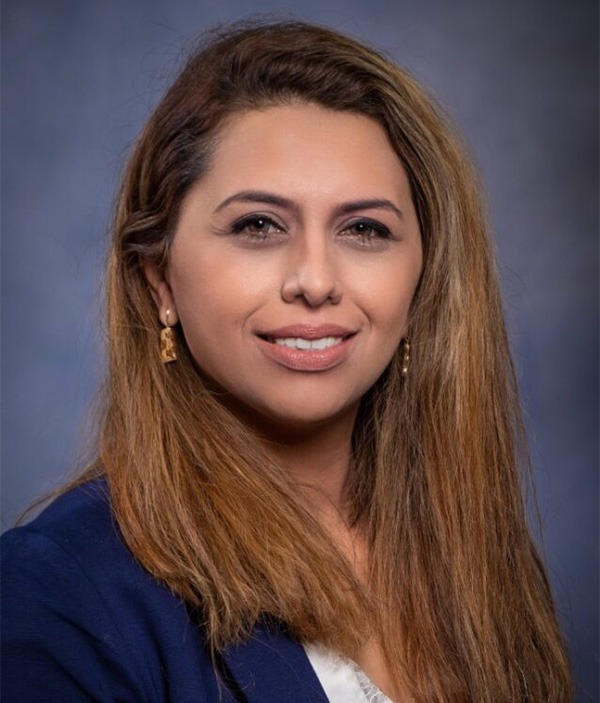 Ellie Daneshnia, Executive Director of Capital Planning & Construction, Highline Public Schools
Ellie oversees the Capital Planning & Construction Department. She graduated as a civil engineer from the University of Washington with a master’s degree emphasis in construction management and energy infrastructure. She managed capital improvement projects and construction in both public and private sectors. Ellie served as the project manager for the Olympic Interim School and the new Highline High School. Then she joined our Capital Planning & Construction team in 2019 as associate executive director. Named executive director in 2021, Ellie is passionate about creating safe, attractive and efficient environments to support student success.
 Robin Brown, Senior Director, Vanir
Robin has 28 years of experience in developing and constructing public works infrastructure projects. He is experienced in managing capital programs and projects for K-12 school districts. He has provided program, project, and construction management services for over 90 new K-12 schools throughout the Western United States. Robin has successfully promoted a spirit of cooperation with government agencies, architects, contractors, and the entire team in delivering complex programs. Utilizing multiple contract delivery methods, Robin guides clients through the concept, entitlements, and site acquisition stages through design and construction management, including closeout and occupancy. As a leader in the field, his experience includes developing policies and procedures for construction and project managers.
 Kristian Kicinski, Director of Sustainability, Bassetti Architects
Kristian is passionate about sustainable buildings, innovation, and pragmatic solutions, with a deep commitment to progressive K-12 programming and educational design. His leadership in the design process emphasizes collaboration to create high-performance buildings and well-organized plans. He holds a Bachelor of Architecture from the University of Texas, is a LEED AP, and has earned Living Future Accreditation, demonstrating his dedication to advancing human health and wellness in buildings and communities.
 Amy Vanderhorst, Associate Principal, Integrus Architecture
Amy is a seasoned architect with nearly three decades of experience shaping dynamic and future-ready learning environments. She brings a deep understanding of K-12 educational design, balancing technical expertise with a passion for creating spaces that inspire, motivate, and foster a sense of belonging. A champion of equitable school design, Amy is committed to developing learning environments that uphold district-wide standards while responding to site-specific conditions. She is a leader in integrating sustainable design strategies, including mass timber and all-electric campuses, and optimizing spaces for flexibility, particularly in arts and performance learning environments.
|
| Building a Better School Construction Assistance Program |
|
Venice 4
This session will be an interactive focus group discussion with the SCAP Revision Planning team. We will discuss key challenges with the existing program identified by state-wide stakeholders. The objective of this session will be to explore opportunities for modification and improvement to SCAP.
Learning Objectives:
- Fair and Equitable Access: We are working to identify a fair and equitable process that will serve to prioritize funding requests based on specific attributes such as facility condition and age, school district financial factors such as property valuations, debt capacity and size, and unique project conditions such as seismic or tsunami risks.
- Identifying Formula Improvements: Through careful analysis and case study development, we will make recommendations to existing funding formulas that may include such factors as market price construction and regional cost differences, space allowance to meet current and future instructional requirements, local district context such as property tax rates and median household income and the use of prototypical designs.
- Improving SCAP’s Efficiency: We are examining ways to streamline administrative processes, reduce potential redundancies, and explore new methods for funding distribution that could lead to overall programmatic efficiencies.
 David McBride, Director, OAC Services
David has 20 years of engineering, project management, and planning experience. Since joining OAC, David has led capital programs for schools, long-range and bond planning efforts, and other strategic initiatives for public, non-profit, and private organizations. David now leads OAC's Community Planning + Action service, with a passion and emphasis on community engagement and supporting equitable and sustainable planning efforts.
 Dr. Wade Smith, CCM, Assoc. DBIA, LEED GA, Superintendent, Walla Walla Public Schools
With over 20 years of school district leadership, including the last 9 years as Superintendent of Walla Walla Public Schools, Wade has helped raise and supervise hundreds of millions of dollars of capital improvements in both large and small school districts. He has extensive experience working with SCAP as well as other state construction funding models. Wade's doctoral dissertation focused on construction delivery models associated with K-12 capital referenda.
Jennie Foglia-Jones, IAP2, Engagement & Facilitation Specialist, Jennie Foglia-Jones, LLC
Jennie stands as a seasoned expert in communications, marketing, and public relations, amassing over two decades of experience within the public sector. She is an IAP2 certified facilitator, dedicated to fostering meaningful collaboration, effective communication and community building. Jennie is a strategic powerhouse, leading organizations in their strategic planning, advising top leaders, crafting legislative agendas, and producing compelling content.
|